azovmash Disclaimer

A Simple Plan For Investigating

Understanding Commercial Construction: Key Factors and Trends

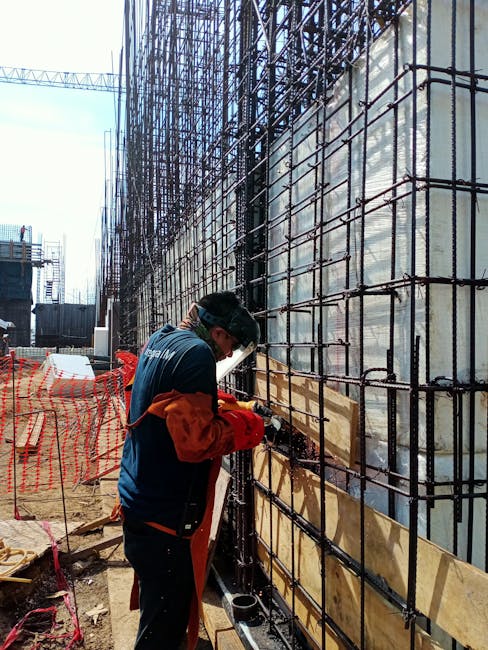
Commercial construction encompasses a wide range of building projects designed for commercial use, including office buildings, retail spaces, warehouses, and more. This sector plays a crucial role in the economy, supporting businesses and creating job opportunities. As the demand for commercial spaces continues to evolve, understanding the nuances of commercial construction becomes essential for stakeholders involved in the industry.

One of the primary trends influencing commercial construction is the increasing emphasis on sustainability. Modern consumers and businesses are becoming more environmentally conscious, leading to a greater demand for “green” buildings that utilize sustainable materials and energy-efficient designs. This shift not only helps in reducing the carbon footprint but also often leads to cost savings in operations. Incorporating features such as solar panels, energy-efficient HVAC systems, and rainwater harvesting systems has become standard practice in new commercial projects.

Technology is another significant factor reshaping the landscape of commercial construction. Advancements such as Building Information Modeling (BIM), drone surveying, and 3D printing are revolutionizing how projects are planned and executed. BIM allows for better visualization of projects, facilitating improved collaboration among architects, engineers, and contractors. Drones can enhance site analysis and progress tracking, while 3D printing offers innovative solutions for constructing building components more rapidly and efficiently.

The ongoing supply chain challenges impact commercial construction as well. The pandemic exposed vulnerabilities in global supply chains, resulting in delays and increased costs for materials. To mitigate these challenges, many construction companies are now focusing on local sourcing and establishing stronger relationships with suppliers. This shift not only helps in reducing lead times but also supports local economies.

In conclusion, commercial construction is a dynamic field that reflects broader economic, technological, and environmental trends. As businesses seek to create functional and appealing spaces, the industry must adapt to prioritize sustainability, leverage new technologies, and navigate ongoing supply chain issues. Understanding these factors can help stakeholders make informed decisions and contribute positively to the future of commercial construction.

What Has Changed Recently With ?

Getting Down To Basics with

Leave a Reply

Your email address will not be published. Required fields are marked *

Related Post

Practical and Helpful Tips:Practical and Helpful Tips:

The Importance of Regular Dental Care for Children: A Guide for Parents

As a parent, you want the best for your child, and that includes their overall health and well-being. One crucial aspect of your child’s health is their oral health. Regular dental care is essential for children to maintain a healthy smile, prevent oral health issues, and develop good habits that will last a lifetime. In this article, we will explore the importance of regular dental care for children and provide you with a comprehensive guide on how to ensure your child’s teeth and gums stay healthy.

Why Regular Dental Care is Crucial for Children

Children’s teeth and gums are constantly developing, and regular dental care is essential to monitor and maintain their oral health. Children’s teeth are more prone to cavities and other oral health issues due to their diet, habits, and lack of understanding about oral hygiene. Regular dental care helps to identify and prevent these issues early on, reducing the risk of more serious problems later in life.

The American Academy of Pediatric Dentistry recommends that children visit a children’s dentist by their first birthday or within six months of the eruption of their first tooth. This early visit sets the stage for a lifetime of good oral health habits and helps to establish a relationship between your child and their dentist.

What to Expect During a Children’s Dental Visit

During a children’s dental visit, your child will receive a comprehensive examination of their teeth and gums. The dentist will check for any signs of tooth decay, gum disease, or other oral health issues. They will also clean your child’s teeth, removing any plaque and tartar that has built up. This is an essential part of maintaining good oral health, as it helps to prevent cavities and gum disease.

The dentist may also use a fluoride treatment to help strengthen your child’s teeth and prevent decay. Fluoride is a natural mineral that helps to remineralize teeth, making them stronger and more resistant to decay. This treatment is especially important for children, as it helps to prevent tooth decay and promote good oral health.

How to Prepare Your Child for a Dental Visit

Preparing your child for a dental visit can make a big difference in their experience. Here are a few tips to help your child feel more comfortable and relaxed during their visit:

* Start talking about the dentist early on, explaining what will happen during the visit and what to expect.
* Use positive language and emphasize the importance of good oral health.
* Bring your child to the dentist with you, so they can see what happens during a visit.
* Make sure your child is comfortable with the dentist and their staff, and that they feel at ease during the visit.

What to Do if Your Child is Afraid of the Dentist

It’s common for children to feel anxious or afraid of the dentist, especially if they have had a negative experience in the past. If your child is afraid of the dentist, here are a few things you can do to help them feel more comfortable:

* Talk to your child about their fears and concerns, and listen to their worries.
* Explain that the dentist is there to help them, and that they will do everything they can to make the visit as comfortable as possible.
* Bring your child to the dentist with you, so they can see what happens during a visit and feel more comfortable.
* Consider using a sedative or relaxation technique, such as deep breathing or visualization, to help your child relax during the visit.

How to Encourage Good Oral Health Habits in Your Child

Encouraging good oral health habits in your child is essential for maintaining good oral health and preventing oral health issues. Here are a few tips to help your child develop good oral health habits:

* Brush your child’s teeth regularly, using a fluoride toothpaste and a soft-bristled toothbrush.
* Encourage your child to brush their teeth at least twice a day, once in the morning and once before bed.
* Teach your child how to properly brush their teeth, using gentle circular motions and covering all surfaces of the teeth.
* Encourage your child to floss at least once a day, using a gentle touch and avoiding the gums.
* Limit sugary snacks and drinks, and encourage your child to choose healthy options instead.

Conclusion

Regular dental care is essential for children, helping to maintain good oral health, prevent oral health issues, and develop good habits that will last a lifetime. By following the tips outlined in this article, you can help your child develop good oral health habits and ensure they have a healthy, happy smile for years to come. Remember to schedule regular dental visits with a children’s dentist in Rancho Cucamonga, and encourage your child to take an active role in their oral health. With a little effort and education, you can help your child develop a lifelong commitment to good oral health.

How I Achieved Maximum Success with

What Has Changed Recently With ?

5 Uses For5 Uses For

Kitchen Design in Roaring Fork Valley: A Guide to Creating Your Dream Space

When it comes to designing a kitchen in the Roaring Fork Valley, there are several factors to consider. From the stunning mountain views to the rustic charm of the surrounding landscape, every aspect of your kitchen design should reflect your unique style and personality. In this article, we will explore the key elements to consider when designing a kitchen in the Roaring Fork Valley, from layout and functionality to aesthetics and sustainability.

First and foremost, it is essential to consider the layout of your kitchen. A well-designed layout can make all the difference in the world, ensuring that your kitchen is both functional and efficient. When designing your kitchen, think about the “work triangle” – the distance between your sink, stove, and refrigerator. Aim to create a triangle with each leg measuring between 4-9 feet, allowing for easy movement and workflow. Additionally, consider the “zones” of your kitchen, such as the cooking zone, prep zone, and storage zone, and design each area to optimize functionality.

Another crucial aspect of kitchen design is functionality. Your kitchen should be designed to meet your specific needs and preferences. For example, if you love to cook, you may want to prioritize a large island or a professional-grade range. On the other hand, if you prefer to entertain, you may want to focus on creating a spacious and open layout. Furthermore, consider the types of appliances and fixtures you need, such as a wine fridge or a pot filler faucet.

Aesthetics are also a vital component of kitchen design. The Roaring Fork Valley is known for its natural beauty, and your kitchen should reflect this. Consider incorporating natural materials such as wood, stone, and earth tones to create a warm and inviting atmosphere. Additionally, think about the lighting in your kitchen, as it can greatly impact the overall ambiance. Consider using a combination of overhead lighting, under-cabinet lighting, and pendant lighting to create a bright and airy feel.

Sustainability is also an important consideration when designing a kitchen in the Roaring Fork Valley. The region is known for its commitment to environmental stewardship, and your kitchen design should reflect this. Consider using eco-friendly materials, such as reclaimed wood or low-VOC paints, and look for appliances and fixtures with high energy efficiency ratings. Additionally, think about incorporating sustainable design elements, such as a rainwater harvesting system or a composting station.

In addition to these key elements, there are several other factors to consider when designing a kitchen in the Roaring Fork Valley. For example, you may want to think about the flow of traffic through your kitchen, as well as the placement of electrical outlets and switches. You may also want to consider the acoustics of your kitchen, as the sound of sizzling pans and clinking dishes can be a major distraction.

When it comes to choosing materials and finishes for your kitchen, there are many options to consider. From the type of countertops to the color of your cabinets, every decision should be made with care. Consider the durability and maintenance requirements of each material, as well as its aesthetic appeal. For example, granite countertops are both stylish and durable, while stainless steel appliances are easy to clean and maintain.

Another important consideration is the style and design of your kitchen. The Roaring Fork Valley is known for its rustic charm, and your kitchen design should reflect this. Consider incorporating natural elements, such as reclaimed wood or stone, and think about the overall aesthetic you want to achieve. Do you want a modern and sleek design, or a more traditional and cozy look? Whatever your style, there are many ways to incorporate it into your kitchen design.

In addition to these key elements, there are several other factors to consider when designing a kitchen in the Roaring Fork Valley. For example, you may want to think about the storage needs of your kitchen, as well as the placement of windows and doors. You may also want to consider the impact of your kitchen design on the overall flow of your home, as well as the resale value of your property.

In conclusion, designing a kitchen in the Roaring Fork Valley requires careful consideration of several key elements. From layout and functionality to aesthetics and sustainability, every decision should be made with care. By incorporating natural materials, sustainable design elements, and a focus on functionality, you can create a kitchen that is both beautiful and functional. Whether you are a foodie, an entertainer, or simply someone who loves to cook, your kitchen should be a space that reflects your unique style and personality. With careful planning and attention to detail, you can create a kitchen that is truly a dream come true.

Incredible Lessons I’ve Learned About

Why not learn more about ?

3 Tips from Someone With Experience3 Tips from Someone With Experience

The Art of Remote Work: A Guide to Staying Productive and Connected

As the world becomes increasingly digital, the concept of remote work has become a norm for many professionals. With the advancement of technology, it’s now possible to work from anywhere, at any time, and still be productive and connected with your team. However, remote work requires a different set of skills and strategies to stay focused, motivated, and engaged. In this article, we’ll explore the art of remote work, providing you with practical tips and best practices to help you thrive in this new era of work.

1. Creating a Conducive Work Environment

One of the biggest challenges of remote work is creating a conducive work environment. This means setting up a dedicated workspace that is free from distractions, comfortable, and equipped with all the necessary tools and equipment. You can convert a spare room, a home office, or even a co-working space into your remote workspace. The key is to create a space that is tailored to your needs and preferences.

2. Establishing a Routine

Establishing a routine is crucial for remote workers. This means setting a schedule for your workday, including regular breaks and time for exercise and self-care. A routine helps you stay focused, avoid procrastination, and maintain a healthy work-life balance. You can use time-tracking tools or apps to monitor your productivity and stay on track.

3. Staying Connected with Your Team

Remote work can be isolating, which is why it’s essential to stay connected with your team. This can be achieved through regular video conferencing, instant messaging apps, and collaborative project management tools. You can also schedule regular check-ins with your team to discuss progress, share ideas, and address any challenges or concerns.

4. Managing Distractions

Distractions are a common challenge for remote workers. This can include household chores, social media, email, and personal errands. To manage distractions, you can use tools like website blockers, noise-cancelling headphones, and apps that help you stay focused. You can also set boundaries with family and friends to maintain a healthy work-life balance.

5. Staying Motivated

Staying motivated is crucial for remote workers. This can be achieved by setting clear goals, celebrating small wins, and recognizing your achievements. You can also use positive self-talk, visualization techniques, and mindfulness practices to stay motivated and focused.

6. Building a Support Network

Building a support network is essential for remote workers. This can include colleagues, friends, family members, or mentors who can provide guidance, support, and encouragement. You can also join online communities or forums to connect with other remote workers and share experiences, tips, and best practices.

7. Managing Your Time Effectively

Time management is critical for remote workers. This means prioritizing tasks, breaking them down into smaller chunks, and using tools like calendars, to-do lists, and project management software to stay organized. You can also use time-blocking to schedule focused work sessions and minimize distractions.

8. Staying Healthy and Well

Remote work can be isolating, which is why it’s essential to prioritize your physical and mental health. This can include regular exercise, healthy eating, and self-care practices like meditation, yoga, or reading. You can also schedule regular check-ins with healthcare professionals to monitor your health and well-being.

9. Setting Boundaries

Setting boundaries is essential for remote workers. This means establishing clear boundaries with family and friends, setting limits on work hours, and prioritizing self-care. You can also use tools like calendars, to-do lists, and project management software to stay organized and focused.

10. Staying Adaptable

Remote work requires adaptability. This means being flexible, open-minded, and willing to adjust to changing circumstances. You can also use tools like project management software, time-tracking apps, and communication tools to stay organized and focused.

Conclusion

Remote work requires a different set of skills and strategies to stay productive, motivated, and connected. By creating a conducive work environment, establishing a routine, staying connected with your team, managing distractions, staying motivated, building a support network, managing your time effectively, staying healthy and well, setting boundaries, and staying adaptable, you can thrive in this new era of work. Remember, remote work is not just about working from anywhere, it’s about working smarter, more efficiently, and more effectively. With the right mindset, skills, and strategies, you can achieve your goals and succeed in the world of remote work.

Where To Start with and More

Questions About You Must Know the Answers To