If You Read One Article About , Read This OneIf You Read One Article About , Read This One

Exceptional Ways for Finding the Best Car Wreck Lawyer

The right lawyer can make a significant difference in the outcome of your case. Finding a reputable car wreck lawyer is crucial if you’ve been involved in a car accident and are seeking compensation for damages or injuries. Here are some tips to help you find a reputable car wreck lawyer.

Initially, you need to research and recommendations. Start by asking friends, family, or colleagues for recommendations. Personal referrals can provide valuable insights into a lawyer’s capabilities and reliability. Additionally, online reviews and ratings on websites like BBB, Martindale-Hubbell, and Google Reviews can offer further information about a lawyer’s reputation and client satisfaction. More so, find out their experience and specialization. Ensure that the lawyer you choose specializes in personal injury law, particularly car accidents. An experienced lawyer will be familiar with the intricacies of car wreck cases, including dealing with insurance companies, understanding medical records, and negotiating settlements. Check how many years the lawyer has been practicing and their track record in handling car wreck cases.

Increasingly, learn more about their credentials and affiliations. Verify the lawyer’s credentials. Ensure they are licensed to practice in your state and check for any disciplinary actions or complaints filed against them. Membership in professional organizations, such as the American Association for Justice or state-specific bar associations, can also indicate a lawyer’s commitment to their field and adherence to professional standards. Furthermore, seek to have an initial consultation. Most reputable car wreck lawyers offer a free initial consultation. Use this meeting to assess the lawyer’s communication style, professionalism, and willingness to answer your questions. Discuss your case details and ask about their approach to handling it. Pay attention to whether they listen attentively and provide clear, concise answers.

Additionally, check out their success rate and case history. Inquire about the lawyer’s success rate in car wreck cases. A reputable lawyer should be willing to share their case history and outcomes. While past results don’t guarantee future success, a lawyer with a high success rate is likely to handle your case effectively. Besides, find out more about their transparent fee structure. Understanding the lawyer’s fee structure is essential. Most car wreck lawyers work on a contingency fee basis, meaning they only get paid if you win your case. Clarify the percentage they will take from your settlement and any additional costs you might incur. A reputable lawyer will provide a clear and transparent fee agreement.

Again, confirm whether they have local knowledge. A lawyer with local knowledge can be advantageous. They will be familiar with the local court system, judges, and other lawyers, which can be beneficial in navigating your case. Additionally, they may have established relationships with local medical professionals and experts who can support your case. More, check out their communication and availability. Effective communication is key to a successful attorney-client relationship. Ensure the lawyer is accessible and responsive. Ask about their preferred communication methods and how frequently you can expect updates on your case. A lawyer who is difficult to reach or unresponsive may not be the best choice. Then, find out their professionalism and ethics. Assess the lawyer’s professionalism and ethical standards. A reputable lawyer should demonstrate integrity, respect, and a genuine concern for your well-being. Avoid lawyers who use aggressive sales tactics or make unrealistic promises about the outcome of your case.

Case Study: My Experience With

Learning The “Secrets” of

How I Achieved Maximum Success withHow I Achieved Maximum Success with

The Cool Way to Freeze Fat: A Comprehensive Guide to CoolSculpting in Farmington Hills

As the quest for a slimmer, more toned physique continues to drive the beauty and wellness industry, innovative treatments like CoolSculpting have emerged to revolutionize the way we tackle stubborn fat. In this article, we’ll delve into the world of CoolSculpting, exploring its benefits, costs, and what to expect from the treatment in Farmington Hills.

What is CoolSculpting?

Developed by ZELTIQ Aesthetics, CoolSculpting is a non-invasive, FDA-cleared fat reduction treatment that uses cryolipolysis to freeze and eliminate unwanted fat cells. This innovative technology targets and destroys fat cells, which are then naturally eliminated by the body over the next few weeks. The result? A more toned, slimmer appearance without the need for surgery or downtime.

How Does CoolSculpting Work?

The CoolSculpting process is surprisingly simple. During the treatment, a trained professional will apply a specialized cooling device to the targeted area, such as the abdomen, love handles, or thighs. The device will then deliver a controlled cooling temperature to the fat cells, causing them to freeze and eventually die. Over the next few weeks, the body naturally eliminates the dead fat cells, resulting in a more sculpted physique.

What to Expect During a CoolSculpting Treatment

Before the treatment, you’ll meet with a trained professional to discuss your goals, assess your body, and determine the best treatment plan. On the day of the treatment, you’ll lie comfortably on a treatment table while the device is applied to the targeted area. You may feel a slight cooling sensation, but most patients find it relatively comfortable. The treatment typically takes around 30-60 minutes, depending on the area being treated.

Cost of CoolSculpting in Farmington Hills

The cost of CoolSculpting in Farmington Hills varies depending on the area being treated, the number of sessions required, and the provider’s expertise. On average, the cost of a single CoolSculpting treatment can range from $500 to $2,000 per area. For example, a single treatment for the abdomen might cost around $1,000, while a treatment for the thighs might cost around $1,500.

Factors Affecting the Cost of CoolSculpting

Several factors can influence the cost of CoolSculpting in Farmington Hills, including:

1. Number of sessions required: Some areas may require multiple treatments to achieve desired results, increasing the overall cost.
2. Size of the treatment area: Larger areas, such as the abdomen or thighs, may require more treatment sessions, increasing the cost.
3. Provider’s expertise and reputation: Experienced providers may charge more for their services due to their extensive training and reputation.
4. Location: CoolSculpting providers in urban areas may charge more than those in rural areas.

What to Expect After a CoolSculpting Treatment

After the treatment, you may experience some temporary side effects, such as:

1. Redness and swelling: These effects are usually mild and temporary, resolving on their own within a few days.
2. Mild discomfort: Some patients may experience mild discomfort or numbness in the treated area, which typically subsides within a few days.
3. Temporary bruising: In some cases, patients may experience temporary bruising or discoloration in the treated area.

Results and Maintenance

Results from CoolSculpting can be seen as early as three weeks post-treatment, with optimal results typically visible after six weeks. To maintain the results, it’s essential to maintain a healthy lifestyle, including a balanced diet and regular exercise. Additional CoolSculpting treatments may be necessary to maintain the desired results over time.

Conclusion

CoolSculpting is a revolutionary, non-invasive fat reduction treatment that can help you achieve a more toned, slimmer physique. With its ease of use, minimal downtime, and impressive results, it’s no wonder CoolSculpting has become a popular choice for those seeking a more confident, radiant appearance. By understanding the costs, benefits, and what to expect from the treatment, you can make an informed decision about whether CoolSculpting is right for you in Farmington Hills.

Valuable Lessons I’ve Learned About

Lessons Learned About

The 5 Commandments of And How Learn MoreThe 5 Commandments of And How Learn More

The Art of Precision: Understanding Ohio CNC Machining

In today’s fast-paced manufacturing landscape, precision and accuracy are more crucial than ever. The demand for high-quality products has never been higher, and companies that fail to meet these standards risk falling behind the competition. One of the most effective ways to ensure precision is through the use of Computer Numerical Control (CNC) machining. This technology has revolutionized the manufacturing process, allowing for the creation of complex parts and components with unparalleled accuracy.

Ohio CNC machining has become a hub for precision manufacturing, with many companies taking advantage of the state’s skilled workforce and favorable business climate. The region’s strong manufacturing heritage has created a culture of innovation and experimentation, making it an ideal location for companies looking to push the boundaries of what is possible.

At its core, CNC machining is a process that relies on computer-controlled machines to remove material from a workpiece, creating the desired shape and design. This process is particularly effective for producing complex parts and components, such as those found in the aerospace, automotive, and medical industries. By using CNC machining, manufacturers can achieve levels of precision and accuracy that would be impossible to achieve by hand.

One of the key benefits of Ohio CNC machining is its ability to produce complex geometries and shapes. This is particularly important in industries where precision is paramount, such as in the production of medical devices or aircraft components. By using CNC machining, manufacturers can create parts with intricate details and complex shapes, ensuring that the final product meets the highest standards of quality.

Another advantage of Ohio CNC machining is its ability to reduce production time and costs. By automating the manufacturing process, companies can reduce labor costs and increase efficiency. This is particularly important in industries where speed and agility are critical, such as in the production of automotive parts or medical devices.

Ohio CNC machining is also highly versatile, allowing manufacturers to produce a wide range of parts and components. From small, intricate components to large, complex assemblies, CNC machining can handle it all. This versatility is particularly important in industries where product lines are constantly evolving, such as in the automotive or aerospace sectors.

In addition to its technical benefits, Ohio CNC machining also has a significant impact on the local economy. By attracting new businesses and creating jobs, Ohio CNC machining has become a major driver of economic growth in the region. This has led to a surge in investment in the region, as companies look to take advantage of the state’s favorable business climate and skilled workforce.

Despite the many benefits of Ohio CNC machining, there are also some challenges to consider. One of the biggest challenges is the need for highly skilled operators and technicians. CNC machining requires a high level of technical expertise, and companies must invest in ongoing training and development to ensure that their workforce remains up-to-date with the latest technologies and techniques.

Another challenge facing the Ohio CNC machining industry is the need for continued investment in research and development. As new technologies and materials emerge, companies must be willing to adapt and innovate in order to remain competitive. This requires significant investment in R&D, as well as a willingness to take calculated risks and experiment with new ideas.

In conclusion, Ohio CNC machining is a powerful tool for manufacturers looking to produce high-quality parts and components with unparalleled precision and accuracy. By leveraging the latest technologies and techniques, companies can create complex geometries and shapes, reduce production time and costs, and increase efficiency. As the industry continues to evolve, it is clear that Ohio CNC machining will remain a major driver of economic growth and innovation in the region.

3 Tips from Someone With Experience

A Beginners Guide To

Getting Down To Basics withGetting Down To Basics with

**The Art of Auditorium Seating: A Comprehensive Guide to Crafting the Perfect Acoustic Experience**

When it comes to designing an auditorium, one of the most crucial aspects to consider is the seating arrangement. The right auditorium seating can make all the difference in creating an immersive and engaging experience for the audience. In this article, we’ll delve into the world of auditorium seating, exploring the key factors to consider and the benefits of getting it right.

**The Vital Role of Acoustics in Auditorium Design**

Before we dive into the world of auditorium seating, it’s essential to understand the importance of acoustics in an auditorium. Acoustics refer to the way sound behaves in a given space. In an auditorium, good acoustics are crucial for creating an immersive experience. When the sound is well-balanced and clear, the audience can focus on the performance without distractions. On the other hand, poor acoustics can lead to a disjointed and unpleasant experience.

**The Significance of Seating in Auditorium Design**

So, how does seating fit into the equation? The seating arrangement plays a significant role in shaping the overall acoustic experience. The type of seating, the layout, and the distance between seats all impact the way sound waves travel through the auditorium. A well-designed seating arrangement can help to:

* Reduce echo and reverberation by allowing sound waves to travel freely
* Improve sound clarity and definition by minimizing sound wave interference
* Enhance the overall listening experience by creating a more immersive atmosphere

**Designing the Ideal Seating Arrangement**

So, what makes a perfect seating arrangement? Here are some key factors to consider:

* **Row spacing**: Leaving enough space between rows allows sound waves to travel freely, reducing echo and reverberation. A general rule of thumb is to leave at least 12 inches (30 cm) between rows.
* **Seat spacing**: The distance between seats should be sufficient to prevent sound waves from bouncing off adjacent seats. A minimum of 18 inches (45 cm) between seats is recommended.
* **Seat design**: The design of the seats themselves can impact the acoustic performance of the auditorium. For example, seats with a curved or angled design can help to redirect sound waves and improve clarity.
* **Audience positioning**: The positioning of the audience is also crucial. Seating the audience at an angle or in a curved configuration can help to create a more immersive experience.
* **Seat material**: The material used for the seats can also impact the acoustic performance of the auditorium. For example, seats with a soft, padded surface can help to absorb sound waves and reduce echo.

**The Benefits of Auditorium Seating**

So, what are the benefits of getting auditorium seating right? By designing a seating arrangement that takes into account the principles of acoustics, you can:

* Create a more immersive and engaging experience for the audience
* Improve sound clarity and definition
* Enhance the overall listening experience
* Increase audience satisfaction and enjoyment
* Reduce the risk of sound fatigue and discomfort
* Improve the overall aesthetic appeal of the auditorium

**Conclusion**

In conclusion, auditorium seating is a critical aspect of designing an auditorium. By understanding the importance of acoustics and designing a seating arrangement that takes into account the principles of sound wave behavior, you can create an immersive and engaging experience for the audience. By following the tips outlined in this article, you can create an auditorium that is both aesthetically pleasing and acoustically superior.

The Path To Finding Better

Getting Down To Basics with

The Essentials of – Getting to Point AThe Essentials of – Getting to Point A

The Art of Failure Analysis: Unraveling the Mysteries of Equipment Failure
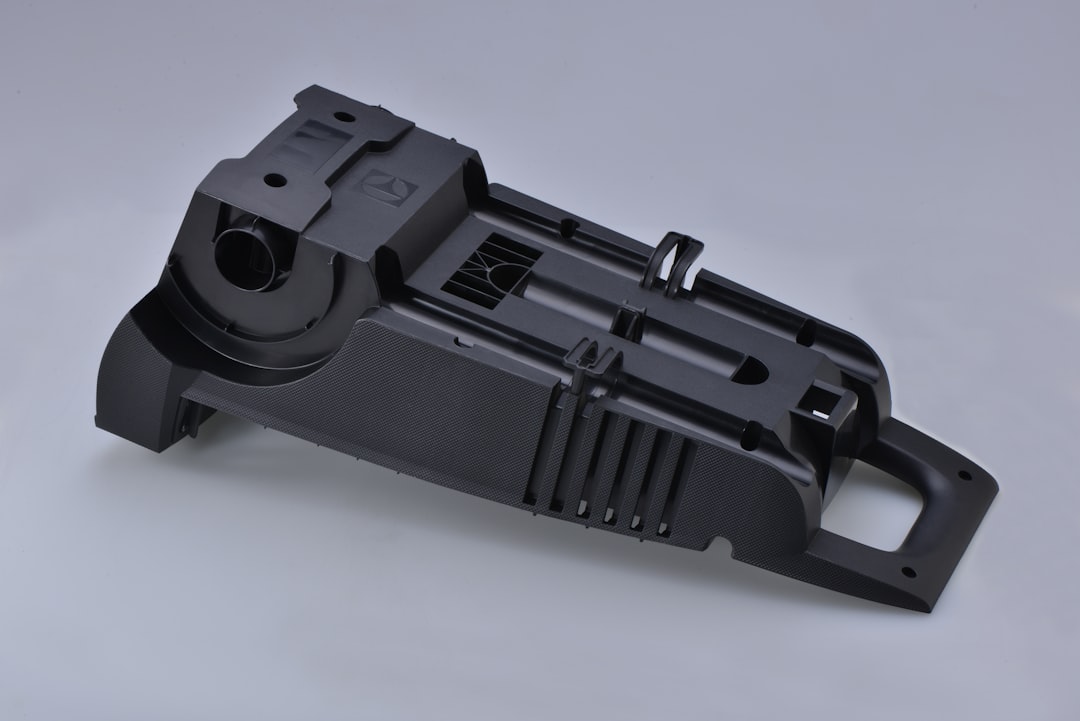
Failure analysis is a crucial process that helps organizations identify the root causes of equipment failure, reducing downtime, and improving overall efficiency. A failure analysis expert plays a vital role in this process, using their expertise to investigate and diagnose the reasons behind equipment failure. In this article, we will delve into the world of failure analysis, exploring the importance of this process, the role of a failure analysis expert, and the steps involved in conducting a thorough analysis.

The Importance of Failure Analysis

Equipment failure can have significant consequences for any organization, including financial losses, reputational damage, and even safety risks. In today’s fast-paced and competitive environment, it is essential to identify the root causes of equipment failure and take corrective action to prevent future failures. Failure analysis is a systematic process that helps organizations achieve this goal by providing a detailed understanding of the failure mechanism, identifying the contributing factors, and recommending corrective actions.

The Role of a Failure Analysis Expert

A failure analysis expert is a highly skilled professional who has extensive knowledge and experience in investigating equipment failures. Their primary responsibility is to conduct a thorough analysis of the failed equipment, identifying the root causes of the failure and providing recommendations for corrective action. A failure analysis expert must possess a deep understanding of the equipment’s design, operation, and maintenance, as well as the materials and manufacturing processes used to produce it.

Conducting a Failure Analysis

Conducting a failure analysis is a complex and time-consuming process that requires a systematic approach. The following steps are typically involved in a failure analysis:

1. Initial Investigation: The first step in conducting a failure analysis is to conduct an initial investigation to gather information about the failure. This includes reviewing maintenance records, interviewing operators and maintenance personnel, and collecting data on the equipment’s operating conditions.
2. Data Collection: The next step is to collect data on the failed equipment, including visual inspections, material samples, and non-destructive testing. This data is used to identify the failure mechanism and determine the contributing factors.
3. Failure Mechanism Identification: Once the data has been collected, the failure analysis expert must identify the failure mechanism, which is the underlying reason for the failure. This may involve analyzing the equipment’s design, operation, and maintenance, as well as the materials and manufacturing processes used to produce it.
4. Contributing Factor Identification: After identifying the failure mechanism, the failure analysis expert must identify the contributing factors that led to the failure. This may include design flaws, material defects, inadequate maintenance, or operator error.
5. Root Cause Identification: The final step is to identify the root cause of the failure, which is the underlying reason for the contributing factors. This may involve analyzing the equipment’s design, operation, and maintenance, as well as the materials and manufacturing processes used to produce it.

Benefits of Failure Analysis

Conducting a failure analysis provides numerous benefits to organizations, including:

1. Improved Equipment Reliability: By identifying the root causes of equipment failure, organizations can take corrective action to prevent future failures, improving equipment reliability and reducing downtime.
2. Reduced Downtime: Failure analysis helps organizations identify the causes of equipment failure, allowing them to take corrective action to prevent future failures and reduce downtime.
3. Cost Savings: Conducting a failure analysis can help organizations identify cost-saving opportunities by reducing the need for costly repairs and replacements.
4. Improved Safety: By identifying the root causes of equipment failure, organizations can take corrective action to prevent future failures, improving safety and reducing the risk of accidents.

Conclusion

Failure analysis is a critical process that helps organizations identify the root causes of equipment failure, reducing downtime and improving overall efficiency. A failure analysis expert plays a vital role in this process, using their expertise to investigate and diagnose the reasons behind equipment failure. By following a systematic approach, failure analysis experts can identify the failure mechanism, contributing factors, and root cause of the failure, providing recommendations for corrective action. By conducting a thorough failure analysis, organizations can improve equipment reliability, reduce downtime, and save costs, ultimately improving their overall competitiveness and success.

Where To Start with and More

Smart Ideas: Revisited

What I Can Teach You AboutWhat I Can Teach You About

The Uninvited Guests: How to Deal with Spiders in Pagosa Springs, CO

As the seasons change, Pagosa Springs, CO, and its surrounding areas become a haven for various insects and arachnids. Among the most unwelcome visitors are spiders, which can be a nuisance to homeowners and outdoor enthusiasts alike. While some species of spiders are harmless, others can pose a threat to your health and well-being. In this article, we will explore the common types of spiders found in Pagosa Springs, CO, and provide you with effective tips on how to deal with them.

Types of Spiders Found in Pagosa Springs, CO

Before we dive into the solutions, it’s essential to understand the types of spiders that inhabit Pagosa Springs, CO. The region is home to over 40 species of spiders, including the Black Widow, Brown Recluse, and Wolf Spider. The most common species found in the area are:

1. Black Widow: Recognizable by its black body with a distinctive red hourglass shape on its abdomen, the Black Widow is a venomous spider that can deliver a painful bite.
2. Brown Recluse: Characterized by its violin-shaped mark on its body, the Brown Recluse is another venomous spider that can cause necrotic lesions and other health issues.
3. Wolf Spider: A large, hairy spider that is often mistaken for a tarantula, the Wolf Spider is harmless to humans and is actually beneficial in controlling pest populations.

Why Spiders are a Problem in Pagosa Springs, CO

Spiders can be a significant problem in Pagosa Springs, CO, for several reasons:

1. Unwanted Guests: Spiders can invade your home or outdoor spaces, making them unwelcome guests that can disrupt your daily activities.
2. Health Risks: Venomous spiders like the Black Widow and Brown Recluse can deliver painful bites that can lead to serious health issues.
3. Pest Control: Spiders can attract other pests, such as flies and mosquitoes, which can further exacerbate the problem.
4. Aesthetics: Spiders can be unsightly and can ruin the appearance of your home or outdoor spaces.

How to Deal with Spiders in Pagosa Springs, CO

Dealing with spiders in Pagosa Springs, CO, requires a combination of prevention, removal, and exclusion techniques. Here are some effective methods to help you deal with these unwanted guests:

1. Seal All Entry Points: Spiders can enter your home or outdoor spaces through even the tiniest cracks and crevices. Seal all entry points, including windows, doors, and vents, to prevent spiders from entering.
2. Remove Clutter: Spiders love cluttered areas, as they provide ample hiding spots. Remove any clutter, including boxes, bags, and other items, to reduce the likelihood of spider infestation.
3. Keep Your Home Clean: Keep your home clean and tidy, including regular vacuuming and dusting, to reduce the likelihood of spider infestation.
4. Use Natural Deterrents: Certain natural deterrents, such as peppermint oil, lavender oil, and citrus, can repel spiders. Place these oils in areas where spiders are most active to deter them.
5. Call a Professional: If you have a severe spider infestation, it’s best to call a professional spider exterminator in Pagosa Springs, CO, to handle the situation.

Prevention is Key

Prevention is key when it comes to dealing with spiders in Pagosa Springs, CO. By taking proactive measures, you can reduce the likelihood of spider infestation and keep your home or outdoor spaces spider-free. Here are some prevention tips to keep in mind:

1. Regularly Inspect Your Home: Regularly inspect your home, including the exterior and interior, to identify any spider infestations early on.
2. Keep Your Yard Clean: Keep your yard clean and tidy, including regular mowing and pruning, to reduce the likelihood of spider infestation.
3. Remove Debris: Remove any debris, including leaves and branches, from your yard to reduce the likelihood of spider infestation.
4. Seal Your Home: Seal your home, including windows, doors, and vents, to prevent spiders from entering.

Conclusion

Dealing with spiders in Pagosa Springs, CO, requires a combination of prevention, removal, and exclusion techniques. By understanding the types of spiders found in the area, taking proactive measures to prevent infestation, and using effective removal methods, you can keep your home or outdoor spaces spider-free. Remember, prevention is key, and by taking the necessary steps, you can reduce the likelihood of spider infestation and keep your home or outdoor spaces safe and healthy.

The 10 Best Resources For

A Simple Plan For Investigating

The 10 Most Unanswered Questions aboutThe 10 Most Unanswered Questions about

Navigating the Complexities of Divorce in Hartland, Vermont: A Guide for You

Divorce is a significant life event that can be emotionally and financially draining. When you’re going through a divorce, it’s essential to have a clear understanding of the legal process and the steps you need to take to protect your rights and interests. As a resident of Hartland, Vermont, you’re likely to have specific concerns and questions about the divorce process in your state. In this article, we’ll provide you with a comprehensive guide to help you navigate the complexities of divorce in Hartland, Vermont.

Understanding the Grounds for Divorce in Vermont

Before we dive into the specifics of the divorce process, it’s essential to understand the grounds for divorce in Vermont. In the state, a divorce can be granted on the grounds of irreconcilable differences, which means that the marriage has broken down and there’s no reasonable likelihood of reconciliation. This is the most common ground for divorce in Vermont, and it’s often referred to as a “no-fault” divorce.

In addition to irreconcilable differences, Vermont also recognizes adultery, abandonment, and cruel treatment as grounds for divorce. However, these grounds are less common and typically require more evidence to prove. It’s worth noting that Vermont does not recognize fault-based divorce, which means that the court will not consider the reasons for the divorce when making decisions about property division, alimony, and child custody.

The Divorce Process in Vermont

The divorce process in Vermont typically begins with the filing of a complaint for divorce. This document outlines the grounds for divorce and the relief being sought by the petitioner (the person filing for divorce). The respondent (the person being divorced) will then have the opportunity to respond to the complaint, which may include denying the allegations or admitting to the grounds for divorce.

Once the complaint and response have been filed, the parties will need to attend a mandatory mediation session to discuss the issues related to their divorce. This session is designed to help the parties reach an agreement on issues such as property division, alimony, and child custody. If the parties are unable to reach an agreement, the case will proceed to trial, where a judge will make decisions on these issues.

Property Division in Vermont

When it comes to property division, Vermont follows a system of equitable distribution. This means that the court will divide the marital property in a fair and reasonable manner, taking into account the contributions and needs of each party. The court will also consider the length of the marriage, the age and health of the parties, and the earning capacity of each party when making its decision.

In Vermont, marital property includes all assets acquired during the marriage, including real estate, personal property, and investments. The court will also consider separate property, which includes assets acquired before the marriage or inherited during the marriage. Separate property is generally not subject to division in a divorce.

Alimony in Vermont

Alimony, also known as spousal support, is a payment made by one spouse to the other after a divorce. In Vermont, the court has the discretion to award alimony to either party, depending on the circumstances of the case. The court will consider factors such as the length of the marriage, the age and health of the parties, and the earning capacity of each party when making its decision.

In general, alimony is awarded to the spouse who has a lower earning capacity or is in need of financial support. The court may also consider the standard of living established during the marriage when determining the amount of alimony to award.

Child Custody in Vermont

Child custody is a critical issue in any divorce, and Vermont has specific laws governing the rights and responsibilities of parents. In Vermont, child custody is referred to as “custody” or “parental rights.” The court will make decisions about custody based on the best interests of the child, which includes considering factors such as the child’s age, health, and emotional well-being.

In Vermont, there are two types of custody: sole custody and joint custody. Sole custody means that one parent has the authority to make decisions about the child’s care and upbringing, while joint custody means that both parents share this authority. The court may also award joint legal custody, which means that both parents have the right to make decisions about the child’s education, healthcare, and other important issues.

Tips for Navigating the Divorce Process in Hartland, Vermont

Navigating the divorce process can be complex and overwhelming, especially if you’re going through it for the first time. Here are some tips to help you navigate the process and protect your rights and interests:

1. Seek legal advice: It’s essential to consult with a divorce attorney who is familiar with the laws and procedures in Vermont. Your attorney can help you understand your rights and options, and provide guidance on the best course of action for your specific situation.

2. Gather financial information: Gathering financial information is critical to the divorce process. You’ll need to provide detailed information about your income, expenses, and assets, as well as your spouse’s financial information.

3. Communicate with your spouse: Communication is key in any divorce. Try to maintain a civil relationship with your spouse, and communicate openly and honestly about the issues related to your divorce.

4. Be prepared for mediation: Mediation is a critical step in the divorce process, and it’s essential to be prepared. Bring any relevant documents or information to the mediation session, and be open to compromise and negotiation.

5. Prioritize your well-being: Divorce can be emotionally and financially draining, so it’s essential to prioritize your well-being. Make sure you’re getting enough rest, eating well, and taking care of your physical and emotional health.

Conclusion

Divorce is a complex and challenging process, but with the right guidance and support, you can navigate it successfully. By understanding the grounds for divorce in Vermont, the divorce process, property division, alimony, and child custody, you’ll be better equipped to protect your rights and interests. Remember to seek legal advice, gather financial information, communicate with your spouse, be prepared for mediation, and prioritize your well-being. With these tips and a clear understanding of the divorce process in Hartland, Vermont, you’ll be well on your way to a successful and stress-free divorce.

On : My Rationale Explained

– My Most Valuable Advice

The Best Advice on I’ve foundThe Best Advice on I’ve found

Finding Your Dream Home: A Guide to Houses for Rent in Memphis

Are you currently on the hunt for the perfect place to call home in Memphis? With its rich cultural history, vibrant music scene, and delicious barbecue, Memphis is a city that offers something for everyone. Whether you’re a student looking for a cozy apartment near campus, a young professional searching for a trendy downtown loft, or a growing family in need of a spacious house in a friendly neighborhood, Memphis has a variety of rental options to suit your needs.

When searching for houses for rent in Memphis, it’s important to consider a few key factors to ensure that you find the perfect home for you. Location is one of the most important considerations when looking for a rental property. Think about what amenities are important to you – whether it’s being close to your workplace, near local schools, or within walking distance to shops and restaurants. Consider the neighborhood vibe as well – do you prefer a quiet suburban area or a bustling urban setting?

Another crucial aspect to consider is your budget. Determine how much you can comfortably afford to spend on rent each month. Keep in mind that in addition to rent, you may also need to budget for utilities, parking fees, and other expenses. It’s important to be realistic about your budget and ensure that you’re able to comfortably cover all your living costs while still enjoying everything Memphis has to offer.

Once you’ve established your location and budget priorities, it’s time to start your search for houses for rent in Memphis. There are a variety of resources available to help you find your dream home. Online rental websites and apps can be a great place to start, allowing you to filter your search based on criteria such as price, size, and location. You can also enlist the help of a local real estate agent who can assist you in finding properties that meet your specific requirements.

When viewing potential rental properties, be sure to ask questions about the terms of the lease, any additional fees or deposits, and the landlord’s policies on maintenance and repairs. Take note of the condition of the property, including any existing damage or needed repairs. It’s also a good idea to inquire about the neighborhood, including safety, local amenities, and the community vibe.

As you narrow down your options and prepare to make a decision, it’s important to carefully review the terms of the lease agreement. Make sure you understand your rights and responsibilities as a tenant, as well as the landlord’s obligations. Pay attention to details such as the length of the lease, rent payment due dates, and any restrictions on pets or roommates. It’s always a good idea to have a clear understanding of the terms of the lease before signing any documents.

Once you’ve found the perfect house for rent in Memphis and signed the lease agreement, it’s time to start making your new house feel like home. Personalize your space with your favorite decor, furniture, and touches that make it uniquely yours. Get to know your neighbors and explore the local community to fully immerse yourself in the Memphis experience.

Remember that finding the perfect rental property takes time and effort, but with careful planning and consideration, you can find a house in Memphis that meets all your needs and feels like home. Whether you’re looking for a cozy apartment in Midtown, a historic bungalow in Cooper-Young, or a modern loft in Downtown, Memphis has a variety of rental options to suit your lifestyle.

So start your search today and get ready to discover your dream home in the vibrant city of Memphis. With its rich history, diverse culture, and Southern charm, Memphis is a city that welcomes you with open arms and offers endless opportunities for you to create new memories and experiences. Happy house hunting!

The 10 Commandments of And How Learn More

Short Course on – What You Need To Know

Why People Think Are A Good IdeaWhy People Think Are A Good Idea

Paradise Pest Control: Understanding the Importance of Effective Pest Management

When it comes to maintaining a healthy and thriving home or business, effective pest control is crucial. Pests such as rodents, insects, and other unwanted critters can cause significant damage to property, disrupt daily life, and even pose health risks. That’s where effective parasite control measures come in. By understanding the importance of pest control and the methods used to mitigate their presence, you can take steps to create a safer, healthier, and more comfortable environment for yourself and those around you.

Understanding the Importance of Pest Control

Pests can have a significant impact on your home, business, and even your health. The most common pests that require control are rodents, insects, and other wildlife. Rodents can cause damage to property by chewing through materials, contaminating food and water sources, and spreading diseases. Insects like cockroaches, ants, and bed bugs can contaminate food and surfaces, causing health risks and discomfort. Wildlife, such as raccoons and opossums, can damage property and contaminate food and waste.

Methods Used in Pest Control

There are several methods used in pest control, including chemical, biological, and cultural methods. Chemical methods involve the use of pesticides, which can be effective in eliminating pests, but can also have negative environmental and health impacts. Biological methods, on the other hand, rely on the use of natural predators or parasites to control pest populations. Cultural methods involve modifying the environment and habitat to make it less conducive to pest infestations.

Signs of a Pest Infestation

Recognizing the signs of a pest infestation is crucial in preventing further damage and mitigating the risks associated with pests. Common signs of a pest infestation include:

* Unusual noises or movements at night
* Droppings or urine stains
* Damaged property or surfaces
* Unusual odors or pest bites
* Increased pest activity in specific areas

Prevention is Key

Preventing pests from invading your home or business is key to avoiding costly repairs and health risks. Some effective methods for preventing pest infestations include:

* Keeping a clean and tidy environment
* Sealing entry points and holes
* Removing food and water sources
* Installing screens and door sweeps
* Using natural deterrents like lavender and peppermint

Identifying Pest Infestations

Identifying the type and extent of a pest infestation is crucial in selecting the most effective control methods. Common types of pests include rodents, insects, and wildlife. Wildlife can include raccoons, opossums, and bats. Insects can include cockroaches, ants, and bed bugs. Rodents can include mice and rats.

Types of Pest Control Services

There are several types of pest control services available, including:

* Residential pest control services, which focus on controlling pests in homes and apartments
* Commercial pest control services, which focus on controlling pests in businesses and public spaces
* Agricultural pest control services, which focus on controlling pests in farms and agricultural areas

How to Choose a Pest Control Service Provider

Choosing a reputable and effective pest control service provider is crucial in ensuring that your pest control needs are met. Some key factors to consider when choosing a pest control service provider include:

* Experience and credentials
* Methods used and environmentally friendly practices
* Customer reviews and references
* Pricing and services offered

Conclusion

Paradise pest control is crucial in maintaining a healthy and thriving home or business. By understanding the importance of pest control, the methods used, and the signs of a pest infestation, you can take steps to create a safer, healthier, and more comfortable environment for yourself and those around you. By choosing a reputable and effective pest control service provider, you can ensure that your pest control needs are met and that you can enjoy a pest-free living or working space.

Study: My Understanding of

How I Became An Expert on

Questions About You Must Know the Answers ToQuestions About You Must Know the Answers To

The Art of Living: A Guide to Creating a Fulfilling Lifestyle

In today’s fast-paced world, it’s easy to get caught up in the hustle and bustle of daily life and forget to prioritize what truly matters. With the constant demands of work, social media, and other responsibilities, it’s no wonder many of us feel unfulfilled and restless. But what if you could create a lifestyle that truly reflects your values and brings you joy? The good news is that it’s not only possible, but it’s also within your reach.

To start, it’s essential to take a step back and assess what’s truly important to you. What are your values, and what brings you a sense of purpose and fulfillment? Take some time to reflect on these questions, and write down your answers. This will help you clarify your priorities and give you a sense of direction.

Once you have a clear sense of what’s important to you, it’s time to start making changes. This might mean setting boundaries with work or social media, or finding new hobbies and activities that bring you joy. It’s also important to prioritize self-care and make time for relaxation and rejuvenation. Whether it’s meditation, yoga, or a long bath, make sure to schedule in some “me” time each day.

Another crucial aspect of creating a fulfilling lifestyle is building meaningful relationships. This might mean nurturing existing relationships or seeking out new connections. Whether it’s through volunteering, joining a club or organization, or attending events, make an effort to surround yourself with people who uplift and support you.

In addition to relationships, it’s also important to prioritize your physical and mental health. This might mean making healthy lifestyle choices, such as eating a balanced diet and exercising regularly. It’s also essential to get enough sleep and take breaks throughout the day to avoid burnout.

Of course, creating a fulfilling lifestyle is not without its challenges. There will be setbacks and obstacles along the way, but it’s essential to stay focused on your goals and keep moving forward. Remember that it’s okay to make mistakes and that it’s a process to figure out what works best for you.

One of the most significant benefits of creating a fulfilling lifestyle is the sense of purpose and direction it brings. When you’re living in alignment with your values and priorities, you’ll feel more confident, motivated, and fulfilled. You’ll also be more likely to take risks and pursue your passions, which can lead to a more meaningful and purposeful life.

In addition to the personal benefits, creating a fulfilling lifestyle can also have a positive impact on those around you. When you’re living in alignment with your values, you’re more likely to be a positive influence on others, and you’ll be a better friend, partner, and family member.

So, how can you start creating a fulfilling lifestyle? Start by taking small steps towards your goals, and be patient with yourself as you navigate the process. Remember to prioritize self-care, build meaningful relationships, and focus on your physical and mental health. And most importantly, stay true to yourself and your values, and don’t be afraid to take risks and try new things.

In conclusion, creating a fulfilling lifestyle is within your reach. By prioritizing what’s truly important to you, building meaningful relationships, and taking care of your physical and mental health, you can live a life that’s truly fulfilling and purposeful. So, take the first step today, and start creating the lifestyle you’ve always wanted.

Getting To The Point –

Why Aren’t As Bad As You Think