azovmash Disclaimer

What Research About Can Teach You

Emergency situation Electrical contractor: What You Need to Know

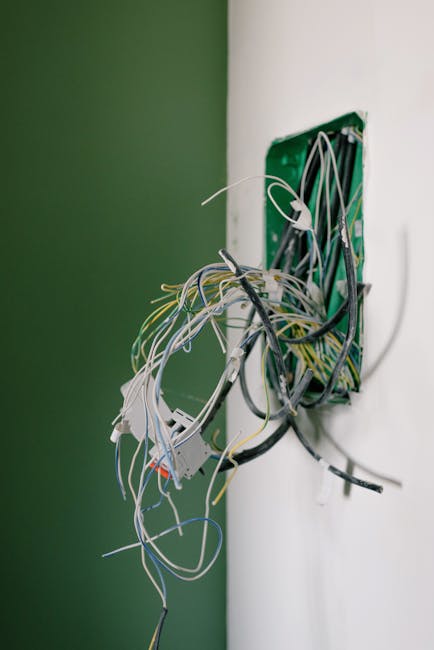
When it comes to electrical issues, lots of home owners do not realize the importance of having an emergency situation electrical expert on standby. Electrical emergency situations can occur suddenly, potentially positioning major risks to your home, your safety and security, and your wallet. In this blog, we’ll check out typical electric emergency situations, what an emergency electrical contractor can do for you, and how to choose the appropriate professional for your demands.

Typical electric emergencies include power failures, flickering lights, strange smells, and stopped working electrical outlets. These problems can originate from faulty circuitry, overloaded circuits, and even obsolete electrical panels. They not just interrupt your life however can also bring about hazardous situations if left unaddressed. It’s crucial to acknowledge these signs early and look for immediate aid from an emergency situation electrical contractor to avoid further damages or risk.

An emergency electrical expert is furnished to deal with a variety of urgent electrical concerns. They offer services such as diagnosing the issue, making needed repairs, and guaranteeing your electrical system is safe and functional. These professionals are typically available 24/7, which implies you can have satisfaction recognizing that aid is just a call away, despite the hour. Their competence prolongs beyond plain troubleshooting; they can also advise you on upgrading your system for improved safety and security and effectiveness.

When choosing an emergency situation electrician, it’s important to consider factors such as credentials, experience, and customer testimonials. Look for accredited specialists that have an excellent record and are guaranteed. An experienced electrical expert can quickly recognize the root of the trouble and give efficient remedies. Additionally, seeking recommendations from friends or checking on-line testimonials can help you make an educated choice.

To conclude, having access to an emergency situation electrical expert is not simply a high-end yet a requirement for any property owner. Quick and reliable intervention can save you from dangerous situations and costly repair services down the line. Constantly be alert concerning your electric system and don’t wait to reach out to a qualified electrical expert when problems arise. Your safety and security and the stability of your home’s electrical system depend on it.

– My Most Valuable Advice

What Has Changed Recently With ?

Leave a Reply

Your email address will not be published. Required fields are marked *

Related Post

5 Key Takeaways on the Road to Dominating5 Key Takeaways on the Road to Dominating

Child care center service

Choosing the right child care center is a significant decision for parents, as it plays a crucial role in a child’s early development. A good child care center not only provides a safe and nurturing environment but also fosters learning and social skills in young children. Here are several essential qualities that parents should look for in a quality child care center.

1. Qualified and Caring Staff
The caregivers and teachers at a child care center should be qualified and well-trained in early childhood education. Look for certifications, degrees, and continuing education as indicators of staff commitment to professional development. Beyond credentials, staff should exhibit warmth, patience, and a genuine passion for working with children. Attentive and nurturing staff can greatly influence a child’s emotional and social well-being, building trust and providing a strong foundation for learning.

2. Safe and Clean Environment
Safety is a top priority in any child care center. The facility should have strict safety protocols, such as secure entrances, childproofed play areas, and emergency procedures. A clean environment is equally important, as it helps prevent the spread of germs and illnesses. Regular cleaning schedules, handwashing routines, and accessible sanitation supplies are all signs of a center that prioritizes health and safety. Parents should observe whether play areas, classrooms, and restrooms are clean and well-maintained.

3. Structured Curriculum and Learning Activities
A good child care center offers a well-rounded curriculum that caters to various stages of early childhood development. This curriculum should include activities that promote cognitive, social, emotional, and physical growth. Look for a balance between structured learning, free play, and group activities. Quality centers incorporate age-appropriate lessons in language, numbers, motor skills, and creative arts, helping children develop foundational skills in a fun and engaging way.

4. Low Child-to-Teacher Ratios
Lower child-to-teacher ratios allow caregivers to give individualized attention, which is vital for young children. Smaller groups ensure that staff can monitor each child’s development, provide guidance, and address any behavioral or developmental concerns promptly. The American Academy of Pediatrics recommends specific ratios, such as one caregiver for every three to five infants, to ensure that children receive adequate care and supervision.

5. Positive Communication with Parents
Transparent and open communication between parents and caregivers is a hallmark of a good child care center. Centers should provide daily or weekly updates on a child’s progress, routines, and any notable changes in behavior or health. Some centers use apps or regular newsletters to keep parents informed, allowing them to stay involved in their child’s learning journey. Encouraging open discussions also helps build trust between parents and caregivers, creating a supportive community around the child.

6. Focus on Emotional and Social Development
A quality child care center goes beyond academics, focusing on fostering social and emotional skills. Activities that promote teamwork, sharing, empathy, and problem-solving help children build a positive self-image and social confidence. Teachers should actively encourage children to express their feelings and guide them in resolving conflicts, creating an inclusive atmosphere where each child feels valued and understood.

7. Positive Environment with Engaging Facilities
A welcoming, child-friendly atmosphere with engaging toys, books, and play areas stimulates curiosity and creativity. Outdoor spaces are also essential, offering children opportunities to explore nature, engage in physical activities, and play with peers. Look for facilities that are well-designed, colorful, and interactive, helping children feel excited to learn and explore.

Conclusion
A good child care center is one that prioritizes safety, learning, and emotional well-being in a structured and nurturing environment. By choosing a center that embodies these qualities, parents can feel confident that their child is in a place that supports their growth and happiness during these crucial early years.

Smart Tips For Uncovering

Getting Creative With Advice

Lessons Learned AboutLessons Learned About

The Art of Being a Good Mechanic: Tips and Best Practices

When it comes to maintaining and repairing your vehicle, having a good mechanic on your side can be a valuable asset. A good mechanic is someone who not only has the technical skills and knowledge to diagnose and fix problems, but also possesses the ability to communicate effectively with customers, work efficiently, and provide exceptional customer service. In this article, we’ll explore the key characteristics and skills of a good mechanic, as well as some tips and best practices to help you find and work with one.

First and foremost, a good mechanic must have a strong foundation in automotive technology and mechanics. This means they must have completed formal education and training in the field, and have a solid understanding of the principles of mechanics, including the operation of engines, brakes, suspension, and other critical systems. A good mechanic should also be up-to-date with the latest developments in automotive technology, including new materials, designs, and innovations.

In addition to technical skills, a good mechanic must also possess excellent communication skills. This includes the ability to clearly explain complex technical information to customers in a way that’s easy to understand, as well as the ability to listen to customers’ concerns and answer their questions in a friendly and professional manner. A good mechanic should also be able to provide written estimates and invoices that are clear and concise, and able to explain any additional work or repairs that may be needed.

Another important characteristic of a good mechanic is the ability to work efficiently and efficiently. This includes the ability to prioritize tasks and manage time effectively, as well as the ability to work well under pressure and meet deadlines. A good mechanic should also be able to multitask, handling multiple repairs and services at once, and able to adapt to changing circumstances and unexpected setbacks.

So, how can you find a good mechanic? One of the best ways is to ask for referrals from friends, family, or coworkers who have had positive experiences with a particular mechanic. You can also check online review sites, such as Yelp or Google, to see what other customers have to say about a particular mechanic. When you find a potential mechanic, it’s a good idea to schedule a consultation or inspection to get a feel for their work and communication style.

During the consultation or inspection, be sure to ask plenty of questions, including:

* What types of vehicles do you work on?
* Do you have experience with my make and model of vehicle?
* How do you diagnose and repair problems?
* What services do you offer, and what are your prices?
* Do you provide written estimates and invoices?
* How do you handle warranty and guarantee issues?

It’s also a good idea to check the mechanic’s certifications and qualifications, such as ASE (Automotive Service Excellence) certification or membership in professional organizations like the Automotive Service Association. These certifications and memberships can give you an idea of the mechanic’s level of expertise and commitment to staying up-to-date with the latest developments in the field.

Once you’ve found a good mechanic, the next step is to build a relationship and establish a routine maintenance schedule. This can help prevent unexpected problems and reduce the need for costly repairs down the line. A good mechanic will be happy to work with you to develop a maintenance plan that meets your specific needs and budget.

In addition to regular maintenance, a good mechanic will also be able to handle any unexpected repairs that may arise. This can include everything from routine services like oil changes and tire rotations to more complex repairs like engine overhauls or transmission replacements.

So, what makes a good mechanic “good”? We’ve explored some of the key characteristics and skills of a good mechanic, including technical expertise, communication skills, and efficiency. We’ve also discussed some tips and best practices for finding and working with a good mechanic, including asking for referrals, checking online reviews, and scheduling a consultation or inspection.

In conclusion, having a good mechanic on your side can be a valuable asset, helping you to keep your vehicle running reliably and efficiently, and providing you with peace of mind knowing that your car is in good hands. By understanding the characteristics and skills of a good mechanic, and following some of the tips and best practices outlined in this article, you can find a mechanic who meets your needs and exceeds your expectations.

Finding Ways To Keep Up With

The Essentials of – 101

Case Study: My Experience WithCase Study: My Experience With

The Thrust of Innovation: Ohio’s Aerospace Parts Manufacturing Industry

Ohio has long been a hub for innovation and manufacturing, and its aerospace parts industry is no exception. With a rich history of producing high-quality components for the aerospace industry, Ohio’s manufacturers have established themselves as leaders in the field. In this article, we’ll delve into the world of Ohio’s aerospace parts manufacturing industry, exploring its history, current trends, and what the future holds for this thriving sector.

Ohio’s aerospace industry has its roots in the early 20th century, when the state’s first aircraft manufacturer, the Wright Company, was established in Dayton. Founded by the Wright brothers, Orville and Wilbur, the company produced the first powered, heavier-than-air aircraft and played a significant role in the development of the aviation industry. Today, Ohio is home to a diverse range of aerospace companies, from small startups to large multinational corporations.

One of the key factors driving Ohio’s aerospace industry is its highly skilled workforce. The state is home to several top-ranked universities and colleges, including Ohio State University, the University of Cincinnati, and Wright State University, which offer a range of programs in fields such as engineering, aerospace engineering, and materials science. This talent pool allows Ohio’s manufacturers to attract and retain top talent, ensuring that they have the skills and expertise needed to produce high-quality components.

Ohio’s aerospace industry is also supported by a strong network of suppliers and partners. The state is home to several major aerospace companies, including GE Aviation, Lockheed Martin, and Northrop Grumman, which provide a steady stream of business for Ohio’s manufacturers. Additionally, the state’s central location and extensive transportation infrastructure make it an ideal location for companies looking to distribute their products globally.

Despite the challenges posed by the COVID-19 pandemic, Ohio’s aerospace industry has continued to thrive. In recent years, the state has seen a surge in investment and growth, with many companies expanding their operations and hiring new employees. This growth is driven in part by the increasing demand for aerospace components, particularly from the commercial aviation sector.

One of the key trends driving growth in Ohio’s aerospace industry is the increasing focus on sustainability and environmental responsibility. As the aerospace industry continues to evolve, companies are looking for ways to reduce their environmental impact and increase their sustainability. Ohio’s manufacturers are well-positioned to meet this demand, with many companies already investing in sustainable manufacturing practices and developing new technologies to reduce waste and emissions.

Another trend shaping the future of Ohio’s aerospace industry is the increasing importance of digital technologies. The use of digital tools and technologies, such as 3D printing and artificial intelligence, is revolutionizing the manufacturing process, allowing companies to produce complex components more quickly and efficiently. Ohio’s manufacturers are at the forefront of this trend, with many companies already investing in digital technologies and developing new products and services to meet the demands of the aerospace industry.

Ohio’s aerospace industry is also playing a critical role in the development of new technologies and innovations. The state is home to several research institutions and universities, which are working together to develop new materials, technologies, and manufacturing processes. For example, the Ohio Aerospace Institute, a non-profit research organization, is working with industry partners to develop new composite materials and manufacturing techniques.

In addition to its economic benefits, Ohio’s aerospace industry also plays a critical role in the state’s defense and national security. The state is home to several major military bases, including Wright-Patterson Air Force Base and the Ohio Air National Guard, which provide a steady stream of business for Ohio’s manufacturers. Additionally, the state’s aerospace industry is working closely with government agencies to develop new technologies and systems to support national security.

As the aerospace industry continues to evolve, Ohio’s manufacturers are well-positioned to meet the demands of the future. With its highly skilled workforce, strong network of suppliers and partners, and commitment to innovation and sustainability, Ohio’s aerospace industry is poised for continued growth and success. Whether you’re a manufacturer, supplier, or simply interested in the industry, Ohio’s aerospace parts manufacturing industry is an exciting and dynamic sector that is sure to be a major player in the years to come.

A Quick Rundown of

Where To Start with and More