azovmash Disclaimer

What Research About Can Teach You

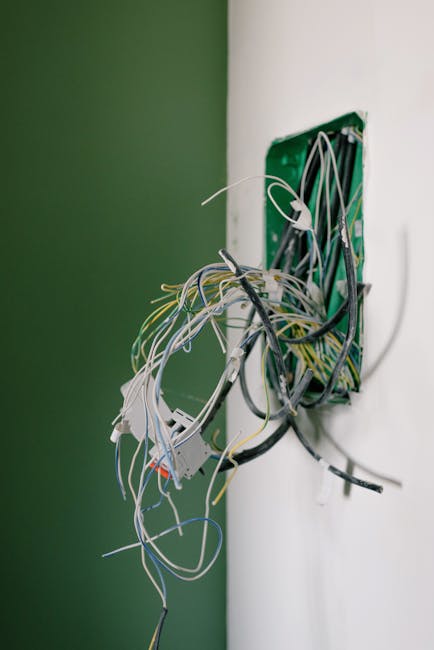
Emergency situation Electrical contractor: What You Need to Know

When it comes to electrical issues, lots of home owners do not realize the importance of having an emergency situation electrical expert on standby. Electrical emergency situations can occur suddenly, potentially positioning major risks to your home, your safety and security, and your wallet. In this blog, we’ll check out typical electric emergency situations, what an emergency electrical contractor can do for you, and how to choose the appropriate professional for your demands.

Typical electric emergencies include power failures, flickering lights, strange smells, and stopped working electrical outlets. These problems can originate from faulty circuitry, overloaded circuits, and even obsolete electrical panels. They not just interrupt your life however can also bring about hazardous situations if left unaddressed. It’s crucial to acknowledge these signs early and look for immediate aid from an emergency situation electrical contractor to avoid further damages or risk.

An emergency electrical expert is furnished to deal with a variety of urgent electrical concerns. They offer services such as diagnosing the issue, making needed repairs, and guaranteeing your electrical system is safe and functional. These professionals are typically available 24/7, which implies you can have satisfaction recognizing that aid is just a call away, despite the hour. Their competence prolongs beyond plain troubleshooting; they can also advise you on upgrading your system for improved safety and security and effectiveness.

When choosing an emergency situation electrician, it’s important to consider factors such as credentials, experience, and customer testimonials. Look for accredited specialists that have an excellent record and are guaranteed. An experienced electrical expert can quickly recognize the root of the trouble and give efficient remedies. Additionally, seeking recommendations from friends or checking on-line testimonials can help you make an educated choice.

To conclude, having access to an emergency situation electrical expert is not simply a high-end yet a requirement for any property owner. Quick and reliable intervention can save you from dangerous situations and costly repair services down the line. Constantly be alert concerning your electric system and don’t wait to reach out to a qualified electrical expert when problems arise. Your safety and security and the stability of your home’s electrical system depend on it.

– My Most Valuable Advice

What Has Changed Recently With ?

Leave a Reply

Your email address will not be published. Required fields are marked *

Related Post

The Essential Laws of ExplainedThe Essential Laws of Explained

Effective Window Cleaning Tips for Sparkling Results

Keeping your windows clean is essential for both aesthetic appeal and the life of the windows themselves. Dirty windows can accumulate grime, preventing natural light from entering and diminishing the overall beauty of your home or office. Regular window cleaning not only boosts your property’s curb appeal but also maintains visibility and prolongs the life of your window materials. In this article, we will explore effective window cleaning tips that can help you achieve sparkling results without breaking the bank.

One of the most important steps in window cleaning is to choose the right time to do it. Cloudy days are ideal for window cleaning as direct sunlight can cause cleaning solutions to dry faster than you can wipe them away, leading to streaks. Before you start cleaning, gather all the necessary supplies including a bucket, squeegee, sponge, and a cleaning solution. You can either buy a commercial window cleaner or create a DIY solution using equal parts of vinegar and water. This combination is not only eco-friendly, but it also effectively cuts through grime and leaves glass shiny.

When it comes to the actual cleaning process, start by removing dust and dirt from the window frame and sills. Use a dry cloth or brush to wipe away cobwebs and debris. Next, dip your sponge in the cleaning solution and apply it directly onto the window using circular motions, ensuring that you cover all areas, including the corners where dirt tends to accumulate. After applying the solution, it’s time to use a squeegee. Begin at the top of the window and pull the squeegee down in a straight line, wiping the blade with a cloth after each pass to prevent streaks. Repeat this process until the entire surface is clean.

For windows with tough stains or hard water spots, you may need to employ a few extra techniques. A mixture of baking soda and vinegar can be useful for these stubborn areas. Apply the paste to the affected section and let it sit for a few minutes before scrubbing gently with a soft-bristle brush. As a preventive measure, consider using a rain repellent product after cleaning, which helps to minimize water spots in the future. Additionally, it’s essential to maintain your windows throughout the year to avoid heavy build-up, which can be more challenging to remove after prolonged neglect.

In conclusion, regular window cleaning can significantly improve both the appearance and functionality of your windows. By following these simple, cost-effective tips and incorporating a routine schedule, you can ensure that your windows remain spotless and inviting, allowing ample natural light to illuminate your space. Remember, investing a little time in maintaining your windows can pay off with stunning views and a brighter environment.

What You Should Know About This Year

What You Should Know About This Year

Case Study: My Experience WithCase Study: My Experience With

Choosing the Right Concrete Contractor for Your Project

When embarking on a construction project, one of the most critical choices you’ll make is selecting the right concrete contractor. Whether you need a new driveway, patio, or foundation, having a professional on your side can make all the difference in ensuring the project runs smoothly and meets your expectations. In this guide, we’ll explore key factors to consider, ensuring you make an informed decision.

First and foremost, experience is paramount. When researching potential concrete contractors, inquire about their years in business and their portfolio of completed projects. Contractors with extensive experience are more likely to handle any challenges that arise during construction, ensuring a higher quality of work. Look for contractors who specialize in the type of concrete work you need, as this can impact the results significantly. A professional with a robust portfolio in residential, commercial, or artistic concrete work will be better suited to meet your specific needs.

Reputation and reviews play a vital role in forming your decision. Word of mouth, online reviews, and testimonials can provide insights into a contractor’s reliability and quality of work. Check platforms such as Google, Yelp, and the Better Business Bureau to gauge customer satisfaction and complain resolution. A contractor with consistently positive feedback will likely prioritize client relationships and deliver excellent service, while those with numerous complaints might signal potential red flags.

Cost estimates can also be a determining factor, but they shouldn’t be the only consideration. While it’s important to know what you’re getting into financially, exceedingly low quotes may indicate subpar materials or workmanship. Request detailed quotes from several contractors, ensuring that all potential costs, including materials, labor, and any permits, are transparent. A good contractor will be willing to explain their pricing and help you understand where your money is going.

In conclusion, selecting the right concrete contractor involves careful research and consideration of various factors including experience, reputation, and pricing. Take the time to interview multiple contractors and ask for references before making a final decision. Investing effort in finding the right professional will lead to a successful project and a lasting, quality finish that enhances your property for years to come.

Study: My Understanding of

Lessons Learned About

Why No One Talks About AnymoreWhy No One Talks About Anymore

The Two-Way Radio Channel Guide: A Comprehensive Resource for Effective Communication

When it comes to two-way radios, channel selection is a crucial aspect of ensuring effective communication. With multiple channels available, it can be overwhelming to navigate the different frequencies and protocols. In this article, we will provide a comprehensive guide to help you understand the different types of two-way radio channels, their uses, and how to choose the right one for your needs.

Types of Two-Way Radio Channels

There are two primary types of two-way radio channels: analog and digital. Analog channels use traditional AM or FM modulation to transmit voice signals, while digital channels use advanced technologies such as TDMA (Time Division Multiple Access) or FDMA (Frequency Division Multiple Access) to transmit data.

Analog Channels

Analog channels are the most common type of two-way radio channel and are widely used in various industries, including public safety, construction, and hospitality. They offer a simple and reliable way to communicate over short distances, typically up to 5 miles. Analog channels are also less expensive than digital channels and require less equipment.

Digital Channels

Digital channels, on the other hand, offer more advanced features and capabilities than analog channels. They use advanced technologies such as TDMA or FDMA to transmit data, which allows for more efficient use of bandwidth and improved voice quality. Digital channels are commonly used in industries such as public safety, transportation, and healthcare, where reliable and secure communication is critical.

Choosing the Right Channel

When choosing the right channel for your two-way radio needs, there are several factors to consider. The first is the type of communication you need to have. If you need to communicate over short distances, an analog channel may be sufficient. However, if you need to communicate over longer distances or require more advanced features, a digital channel may be a better option.

Another factor to consider is the number of users you need to support. If you have a large number of users, a digital channel may be a better option as it can support more users than an analog channel.

Finally, consider the level of security you need. Digital channels offer more advanced security features than analog channels, including encryption and authentication.

Channel Selection for Different Industries

Different industries have different channel selection requirements. For example, public safety agencies typically use digital channels for their two-way radios, as they require reliable and secure communication. Construction sites, on the other hand, may use analog channels for their two-way radios, as they typically require communication over short distances.

In the hospitality industry, two-way radios are often used for guest services and staff communication. In this case, analog channels may be sufficient, as they are less expensive and easier to use.

Channel Selection for Different Environments

The environment in which you will be using your two-way radios also plays a significant role in channel selection. For example, if you will be using your two-way radios in a noisy environment, such as a construction site, you may want to choose a channel with a higher frequency to minimize interference.

In a quiet environment, such as an office building, a lower frequency channel may be sufficient. Additionally, if you will be using your two-way radios in a area with a lot of radio frequency interference, such as a city center, you may want to choose a channel with a higher frequency to minimize interference.

Conclusion

Choosing the right channel for your two-way radio needs can be a complex process, but by considering the type of communication you need, the number of users you need to support, and the level of security you require, you can make an informed decision. Additionally, considering the industry and environment in which you will be using your two-way radios can also help you choose the right channel.

By following the guidelines outlined in this article, you can ensure that you choose the right channel for your two-way radio needs and enjoy effective and reliable communication.

The Beginners Guide To (Chapter 1)

The Beginners Guide To (What You Need To Know To Get Started)