The Best Advice on I’ve foundThe Best Advice on I’ve found

Pipeline logistics is a critical aspect of the global supply chain, particularly for industries that rely on the transportation of large volumes of liquids, gases, and other substances. Unlike traditional transportation methods such as trucks, trains, or ships, pipelines offer a more efficient, reliable, and cost-effective way to move commodities over long distances. This infrastructure is particularly essential for industries such as oil and gas, chemicals, water, and even food products. The significance of pipeline logistics is steadily increasing, given its ability to streamline operations, reduce environmental impact, and ensure a steady supply of vital resources.

At its core, pipeline logistics involves the planning, construction, operation, and maintenance of pipelines that transport goods such as crude oil, natural gas, refined petroleum products, and other chemicals. Pipelines offer several advantages over other transportation methods. They are capable of transporting large quantities of materials over long distances with relatively low operating costs. Once a pipeline is established, it can operate continuously with minimal interruption, making it a highly reliable mode of transport. This continuous operation is particularly advantageous for industries that require a steady, uninterrupted supply of raw materials.

One of the primary reasons pipeline logistics is so widely used in industries such as oil and gas is because it ensures the safe and efficient transportation of hazardous materials. Unlike trucks or ships, which can be subject to accidents or delays due to weather or road conditions, pipelines are generally unaffected by such factors. Furthermore, pipelines have a lower risk of contamination or spills compared to other forms of transportation, as they are typically well-contained and monitored throughout their entire length. These safety benefits make pipeline logistics a preferred choice for industries where the transportation of dangerous substances is a primary concern.

In addition to their safety and reliability, pipelines are also environmentally friendly. When compared to trucks or trains, pipelines generate fewer greenhouse gas emissions and require less energy to transport the same amount of goods. This lower carbon footprint has made pipeline logistics an increasingly attractive option as governments and businesses alike work to reduce their environmental impact. Furthermore, pipelines are often laid underground or beneath bodies of water, minimizing their impact on surrounding ecosystems. This makes pipelines an ideal transportation method for sensitive regions where environmental conservation is a priority.

However, pipeline logistics is not without its challenges. The construction and maintenance of pipelines can be expensive and time-consuming, particularly when dealing with difficult terrain or politically sensitive areas. Additionally, the regulatory environment surrounding pipelines can be complex, as they often cross national borders or environmentally sensitive regions. For instance, the approval process for new pipelines can involve extensive environmental assessments, public consultations, and negotiations with local governments. These challenges require a high level of expertise and coordination between stakeholders to ensure successful project execution.

Another consideration in pipeline logistics is the technology used to monitor and maintain the integrity of pipelines. Modern pipeline systems rely heavily on sensors, remote monitoring, and automation to detect potential issues such as leaks, pressure changes, or corrosion. Regular maintenance and inspections are also critical to ensuring that pipelines continue to function safely and efficiently over time. Advances in technology, including the development of drones and robotic tools, have significantly improved pipeline monitoring and maintenance, making it easier to identify problems before they escalate.

Despite these challenges, pipeline logistics continues to grow in importance, particularly as global demand for energy and raw materials increases. The development of new pipeline networks, as well as the expansion of existing ones, plays a crucial role in meeting the transportation needs of industries worldwide. As countries work to secure a reliable and sustainable supply of resources, pipeline logistics will remain a vital part of the infrastructure that supports global trade.

In conclusion, pipeline logistics is a cornerstone of modern supply chains, offering a safe, efficient, and environmentally friendly way to transport critical resources. While it faces challenges related to construction, maintenance, and regulation, its benefits far outweigh the drawbacks. As industries continue to evolve and global demand for energy and raw materials grows, the role of pipeline logistics will only become more important, shaping the future of supply chain management and resource transportation.

The 5 Commandments of And How Learn More

The Ultimate Guide to

Practical and Helpful Tips:Practical and Helpful Tips:

High Voltage Relays: The Silent Guardians of Electrical Systems

High voltage relays are a crucial component in modern electrical systems, playing a vital role in ensuring the safe and efficient operation of power transmission and distribution networks. These relays are designed to detect and respond to changes in electrical currents and voltages, providing a critical layer of protection against faults, overloads, and other potential hazards. In this article, we will delve into the world of high voltage relays, exploring their functions, types, and applications.

High voltage relays are essentially electrical switches that are triggered by changes in voltage or current levels. They are typically used in high-voltage applications, such as power transmission and distribution systems, where the voltage levels can reach tens of thousands of volts. These relays are designed to detect and respond to changes in voltage or current levels, providing a critical layer of protection against faults, overloads, and other potential hazards.

There are several types of high voltage relays, each designed to perform specific functions. Some common types of high voltage relays include:

* Voltage relays: These relays are designed to detect changes in voltage levels and trigger a response when the voltage exceeds a predetermined threshold.
* Current relays: These relays are designed to detect changes in current levels and trigger a response when the current exceeds a predetermined threshold.
* Power relays: These relays are designed to detect changes in power levels and trigger a response when the power exceeds a predetermined threshold.

High voltage relays are used in a wide range of applications, including:

* Power transmission and distribution systems: High voltage relays are used to detect and respond to changes in voltage and current levels in power transmission and distribution systems, providing a critical layer of protection against faults and overloads.
* Industrial control systems: High voltage relays are used in industrial control systems to detect and respond to changes in voltage and current levels, providing a critical layer of protection against faults and overloads.
* Medical equipment: High voltage relays are used in medical equipment, such as MRI machines and X-ray machines, to detect and respond to changes in voltage and current levels, providing a critical layer of protection against faults and overloads.

In addition to their functional benefits, high voltage relays also offer several advantages, including:

* Improved safety: High voltage relays provide a critical layer of protection against faults and overloads, reducing the risk of electrical shock and other hazards.
* Increased efficiency: High voltage relays can help to reduce energy losses and improve the overall efficiency of electrical systems.
* Reduced maintenance: High voltage relays can help to reduce maintenance costs by detecting and responding to changes in voltage and current levels, reducing the need for manual intervention.

In conclusion, high voltage relays are a critical component in modern electrical systems, providing a vital layer of protection against faults, overloads, and other potential hazards. By understanding the functions, types, and applications of high voltage relays, we can better appreciate their importance and the role they play in ensuring the safe and efficient operation of electrical systems.

The 10 Best Resources For

Why No One Talks About Anymore

The Art of MasteringThe Art of Mastering

Designing a Dream Restaurant: A Guide to Working with Restaurant Contractors
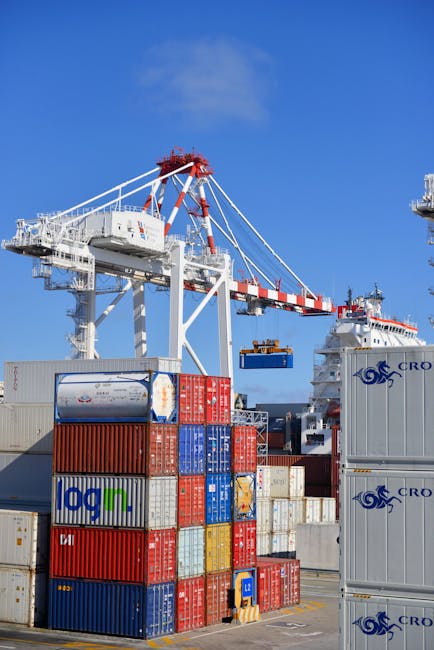
When it comes to designing and building a restaurant, the process can be overwhelming, especially for those who are new to the industry. From conceptualizing the layout to selecting the perfect materials, there are countless decisions to make. One crucial step in the process is working with restaurant contractors, who can help bring your vision to life. In this article, we’ll explore the importance of restaurant contractors, the benefits of working with them, and what to look for when selecting the right contractor for your project.

Restaurant contractors are professionals who specialize in designing and building restaurants. They have the expertise and experience to guide you through the entire process, from planning to execution. With their knowledge and skills, they can help you create a restaurant that is not only functional but also visually appealing and profitable. From conceptualizing the layout to selecting the perfect materials, restaurant contractors can help you make informed decisions that will benefit your business.

One of the primary benefits of working with restaurant contractors is their ability to streamline the design and construction process. They have the expertise and resources to handle every aspect of the project, from obtaining necessary permits to installing equipment and fixtures. This can save you time and money, as you won’t have to worry about managing multiple contractors or dealing with unexpected delays. With a restaurant contractor, you can rest assured that your project will be completed on time and within budget.

Another benefit of working with restaurant contractors is their ability to provide valuable insights and expertise. They have worked with numerous restaurants and have a deep understanding of what works and what doesn’t. They can help you design a restaurant that is functional, efficient, and profitable, taking into account factors such as traffic flow, seating capacity, and menu layout. They can also provide guidance on selecting the right equipment and materials, ensuring that your restaurant is equipped to handle high volumes of customers.

When selecting a restaurant contractor, there are several factors to consider. First and foremost, look for experience and expertise. A reputable contractor should have a proven track record of successfully completing restaurant projects. They should also have a strong understanding of local building codes and regulations, as well as knowledge of the latest design trends and technologies.

Another important factor to consider is communication. A good contractor should be able to clearly communicate with you throughout the project, keeping you informed of progress and addressing any concerns or issues that may arise. They should also be responsive to your needs and willing to make adjustments as needed.

In addition to experience and communication, look for a contractor who is licensed and insured. This will provide you with an added layer of protection, ensuring that you are protected in the event of any unexpected issues or accidents.

Finally, consider the contractor’s reputation and reviews. Check online reviews and ask for references from previous clients to get a sense of their work quality and customer service. A reputable contractor should have a strong reputation and be willing to provide references upon request.

In conclusion, working with restaurant contractors can be a valuable asset for any restaurant owner or operator. They can help streamline the design and construction process, provide valuable insights and expertise, and ensure that your restaurant is completed on time and within budget. By considering factors such as experience, communication, licensing, and reputation, you can find the right contractor for your project and ensure that your restaurant is a success.

Doing The Right Way

– My Most Valuable Tips

The Essentials of – Breaking Down the BasicsThe Essentials of – Breaking Down the Basics

The Art of Magic in the Bay Area: A World of Wonder and Enchantment

The Bay Area is a hub of creativity and innovation, and its magic scene is no exception. From intimate close-up performances to grand illusions, the region is home to a diverse range of magicians who are pushing the boundaries of the art form. Whether you’re a seasoned magic enthusiast or just looking for a unique and memorable experience, the Bay Area has something for everyone.

1. The History of Magic in the Bay Area

Magic has a long and storied history in the Bay Area, dating back to the early 20th century. During the 1920s and 1930s, the region was home to a number of vaudeville performers who would travel from town to town, entertaining audiences with their sleight of hand and illusions. One of the most famous of these performers was the legendary magician, Dai Vernon, who would often perform in the Bay Area and was known for his incredible close-up skills.

2. The Modern Magic Scene

Today, the Bay Area is home to a thriving magic community, with a wide range of performers and venues to choose from. From the intimate settings of private clubs and restaurants to the grand stages of theaters and concert halls, there’s something for every taste and style. Whether you’re looking for a romantic evening out or a fun and interactive experience for the whole family, the Bay Area has a magic show that’s sure to delight.

3. Types of Magic Performances

There are many different types of magic performances to choose from in the Bay Area, each with its own unique style and charm. Some of the most popular include:

* Close-up magic: This type of magic is performed up close and personal, often using everyday objects and items that you might find in your own home. Close-up magicians are known for their incredible sleight of hand and ability to make objects disappear and reappear before your very eyes.
* Stage magic: This type of magic is performed on a larger scale, often using elaborate sets and special effects. Stage magicians are known for their grand illusions and ability to make the impossible seem possible.
* Mentalism: This type of magic is focused on the art of mind-reading and prediction. Mentalists are known for their ability to read minds and predict the future, often using a combination of psychology and showmanship to create a sense of wonder and amazement.

4. Famous Magicians from the Bay Area

The Bay Area has been home to a number of famous magicians over the years, each with their own unique style and contribution to the art form. Some of the most well-known include:

* Dai Vernon: As mentioned earlier, Dai Vernon was a legendary magician who performed in the Bay Area during the 1920s and 1930s. He was known for his incredible close-up skills and was considered one of the greatest magicians of all time.
* Ricky Jay: Ricky Jay was a renowned magician and actor who was born and raised in the Bay Area. He was known for his incredible card tricks and was a favorite among magic enthusiasts.
* Penn and Teller: While not born in the Bay Area, Penn and Teller have performed in the region numerous times and have a strong following among local magic enthusiasts. They are known for their unique blend of magic and comedy, and their ability to make the impossible seem possible.

5. Magic Venues and Clubs

The Bay Area is home to a number of magic venues and clubs, each with its own unique atmosphere and style. Some of the most popular include:

* The Magic Castle: This intimate club is located in the heart of San Francisco and is known for its exclusive membership and high-quality magic performances.
* The Magic Circle: This club is located in the East Bay and is known for its laid-back atmosphere and variety of magic performances.
* The Bay Area Magic Circle: This club is located in the South Bay and is known for its focus on close-up magic and its welcoming atmosphere.

6. Magic Workshops and Classes

In addition to magic performances, the Bay Area is also home to a number of magic workshops and classes, where you can learn the art of magic from experienced professionals. Some of the most popular include:

* The Magic Academy: This school is located in the heart of San Francisco and offers a wide range of magic classes and workshops, from beginner to advanced.
* The Bay Area Magic School: This school is located in the East Bay and offers a variety of magic classes and workshops, including close-up magic and stage magic.
* The Magic Workshop: This workshop is located in the South Bay and offers a variety of magic classes and workshops, including card tricks and coin magic.

7. Magic Conventions and Festivals

The Bay Area is also home to a number of magic conventions and festivals, where you can meet and learn from some of the world’s top magicians. Some of the most popular include:

* The Bay Area Magic Convention: This convention is held annually in the Bay Area and features a wide range of magic performances, workshops, and lectures.
* The Magic Festival: This festival is held annually in the Bay Area and features a wide range of magic performances, including close-up magic, stage magic, and mentalism.
* The International Magic Convention: This convention is held annually in the Bay Area and features a wide range of magic performances, workshops, and lectures from some of the world’s top magicians.

8. Tips for Attending a Magic Show

If you’re planning to attend a magic show in the Bay Area, here are a few tips to keep in mind:

* Arrive early: Many magic shows offer pre-show activities or meet-and-greets with the performers, so be sure to arrive early to take advantage of these opportunities.
* Be open-minded: Magic is all about wonder and amazement, so be sure to keep an open mind and don’t try to figure out how the tricks are done.
* Don’t talk during the show: It’s easy to get caught up in the excitement of the performance, but try to avoid talking during the show to ensure that everyone can enjoy the experience.
* Tip your performer: Magicians work hard to create an amazing experience for their audiences, so be sure to tip your performer at the end of the show.

9. Conclusion

The Bay Area is a hub of magic and wonder, with a wide range of performances, venues, and classes to choose from. Whether you’re a seasoned magic enthusiast or just looking for a unique and memorable experience, the Bay Area has something for everyone. So why not take a chance and experience the magic of the Bay Area for yourself? You never know what wonders you might discover.

A Simple Plan For Investigating

Why People Think Are A Good Idea

The Ultimate Guide toThe Ultimate Guide to

The Hidden Dangers of a Leaky Basement: Why Waterproofing is a Must in Portland, OR

As a homeowner in Portland, OR, you’re no stranger to the city’s unique climate. The combination of heavy rainfall, high humidity, and proximity to the ocean can take a toll on your home’s foundation, particularly the basement. A leaky basement can be a nightmare to deal with, causing damage to your home’s structure, belongings, and even your health. In this article, we’ll explore the hidden dangers of a leaky basement and why waterproofing is a must in Portland, OR.

1. Structural Damage

A leaky basement can cause significant structural damage to your home. Water seepage can weaken the foundation, leading to cracks in the walls and floors. Over time, these cracks can spread, compromising the integrity of your home’s structure. In extreme cases, a weakened foundation can lead to costly repairs or even collapse. By waterproofing your basement, you can prevent these issues and ensure your home remains safe and secure.

2. Mold and Mildew

Portland’s humid climate creates an ideal environment for mold and mildew to thrive. A leaky basement provides the perfect breeding ground for these microorganisms, which can spread quickly and cause serious health problems. Mold and mildew can exacerbate respiratory issues, trigger allergies, and even cause skin irritation. By waterproofing your basement, you can eliminate the conditions that foster mold and mildew growth, creating a healthier living space for you and your family.

3. Pest Infestation

A leaky basement can also attract unwanted pests, such as rodents, snakes, and insects. These critters are drawn to the moisture and warmth of a damp basement, where they can establish themselves and cause damage to your home. By waterproofing your basement, you can eliminate the attractants that draw these pests in, reducing the risk of infestation and the damage it can cause.

4. Energy Efficiency

A leaky basement can also impact your home’s energy efficiency. Heat and cold air can escape through cracks and crevices, making your heating and cooling systems work harder to maintain a comfortable temperature. By waterproofing your basement, you can seal these gaps and reduce heat loss, saving you money on your energy bills and reducing your carbon footprint.

5. Increased Property Value

A waterproofed basement can also increase your property value. A dry, well-maintained basement is a major selling point for potential buyers, making your home more attractive and desirable. By investing in waterproofing, you can boost your home’s value and appeal, making it easier to sell when the time comes.

6. Reduced Maintenance

A waterproofed basement requires less maintenance than a leaky one. Without the constant threat of water damage, you can focus on other aspects of your home’s upkeep, reducing the time and money you spend on repairs and maintenance.

7. Improved Resale Value

A waterproofed basement can also improve your home’s resale value. A dry, well-maintained basement is a major selling point for potential buyers, making your home more attractive and desirable. By investing in waterproofing, you can boost your home’s value and appeal, making it easier to sell when the time comes.

8. Reduced Stress

A leaky basement can be a major source of stress for homeowners. The constant worry about water damage, mold, and pest infestation can take a toll on your mental and emotional well-being. By waterproofing your basement, you can eliminate these concerns and enjoy a greater sense of peace and security.

9. Increased Safety

A waterproofed basement can also increase your home’s safety. A dry, well-maintained basement is less likely to harbor hidden dangers, such as slippery floors, uneven surfaces, and hidden hazards. By investing in waterproofing, you can create a safer living space for you and your family.

10. Long-Term Savings

A waterproofed basement can also provide long-term savings. By eliminating the conditions that foster mold, mildew, and pest infestation, you can reduce the risk of costly repairs and maintenance down the line. By investing in waterproofing, you can save money in the long run and enjoy a greater sense of financial security.

In conclusion, a leaky basement can be a major headache for homeowners in Portland, OR. By waterproofing your basement, you can eliminate the hidden dangers of a leaky basement, reduce stress, and increase your home’s value and safety. Whether you’re a homeowner looking to protect your investment or a buyer seeking a safe and secure living space, waterproofing is a must in Portland, OR.

Getting To The Point –

Short Course on – What You Need To Know

A Beginners Guide ToA Beginners Guide To

Streamlining Supply Chain Operations: The Power of Pipe Logistics Coordination

Effective logistics coordination is the backbone of any successful supply chain operation. It is the process of planning, implementing, and controlling the flow of goods, services, and related information from the point of origin to the point of consumption. In today’s fast-paced and competitive business environment, companies are under immense pressure to optimize their logistics operations to stay ahead of the curve. One of the key strategies that companies are adopting to achieve this goal is pipe logistics coordination.

Pipe logistics coordination is a logistics management approach that focuses on creating a seamless flow of goods and services from the manufacturer to the end customer. It involves coordinating the movement of goods, services, and information across multiple stages of the supply chain, including production, transportation, warehousing, and distribution. The goal of pipe logistics coordination is to ensure that goods are delivered to the customer in a timely and cost-effective manner, while also minimizing the risk of delays, damages, and losses.

One of the key benefits of pipe logistics coordination is that it enables companies to achieve greater visibility and control over their supply chain operations. By integrating multiple stages of the supply chain into a single, cohesive system, companies can track the movement of goods and services in real-time, identify potential bottlenecks and inefficiencies, and take corrective action to optimize their operations. This level of visibility and control is critical in today’s fast-paced business environment, where companies must be able to respond quickly to changing market conditions and customer demands.

Another benefit of pipe logistics coordination is that it enables companies to reduce their costs and improve their profitability. By streamlining their logistics operations and eliminating unnecessary costs, companies can reduce their expenses and improve their bottom line. Additionally, pipe logistics coordination can help companies to improve their customer satisfaction levels by ensuring that goods are delivered to the customer in a timely and cost-effective manner.

Pipe logistics coordination is not a new concept, but it has gained significant attention in recent years due to the increasing complexity and globalization of supply chains. As companies continue to expand their operations globally, they are facing new challenges and complexities in managing their supply chains. Pipe logistics coordination is a key strategy that companies are adopting to overcome these challenges and achieve greater efficiency and effectiveness in their logistics operations.

There are several key components that are critical to the success of pipe logistics coordination. One of the most important is the use of advanced technology, such as transportation management systems (TMS) and warehouse management systems (WMS). These systems enable companies to track the movement of goods and services in real-time, automate their logistics operations, and make data-driven decisions to optimize their supply chain.

Another critical component of pipe logistics coordination is the development of strong relationships with suppliers and logistics providers. Companies must work closely with their suppliers and logistics providers to ensure that goods are delivered to the customer in a timely and cost-effective manner. This requires building trust and communication with these partners, as well as establishing clear expectations and performance metrics.

In addition to technology and relationships, companies must also have a clear understanding of their logistics operations and the challenges they face. This requires conducting regular assessments of their supply chain operations, identifying areas for improvement, and developing strategies to address these challenges. By having a clear understanding of their logistics operations, companies can make informed decisions to optimize their supply chain and achieve greater efficiency and effectiveness.

In conclusion, pipe logistics coordination is a critical component of any successful supply chain operation. By streamlining their logistics operations and creating a seamless flow of goods and services from the manufacturer to the end customer, companies can achieve greater visibility and control over their supply chain, reduce their costs and improve their profitability, and improve their customer satisfaction levels. As companies continue to expand their operations globally, the importance of pipe logistics coordination will only continue to grow.

5 Uses For

What No One Knows About

Discovering The Truth AboutDiscovering The Truth About

The Island Jewel: Uncovering the Secrets of Cash for Jewelry in Guam

Guam, a small island in the Pacific Ocean, is known for its stunning beaches, crystal-clear waters, and rich cultural heritage. However, amidst the island’s natural beauty and vibrant culture, there lies a thriving industry that is often overlooked: the trade of cash for jewelry. In this article, we will delve into the world of cash for jewelry in Guam, exploring the ins and outs of this lucrative business and what it means for the island’s residents and visitors.

1. The Birth of Cash for Jewelry

The concept of cash for jewelry is not new, but it has gained significant popularity in recent years. The idea is simple: individuals can sell their unwanted or broken jewelry to cash-for-jewelry companies, which then melt down the metal and recycle it into new products. This process not only benefits the environment by reducing waste but also provides a convenient and lucrative way for people to get rid of unwanted jewelry.

2. The Rise of Cash for Jewelry in Guam

Guam, with its rich cultural heritage and history of jewelry-making, has become a hub for cash-for-jewelry companies. The island’s unique blend of Asian and American influences has created a distinct jewelry style that is highly sought after by collectors and enthusiasts. As a result, cash-for-jewelry companies have flocked to the island, eager to capitalize on the demand for high-quality jewelry.

3. The Benefits of Cash for Jewelry

So, what are the benefits of cash for jewelry in Guam? For one, it provides a convenient and hassle-free way for people to get rid of unwanted jewelry. No longer do individuals have to worry about storing or disposing of broken or unwanted jewelry; instead, they can simply sell it to a cash-for-jewelry company and receive a fair price for it. Additionally, cash-for-jewelry companies help to reduce waste and promote sustainability by recycling the metal and turning it into new products.

4. The Process of Cash for Jewelry

The process of cash for jewelry is relatively straightforward. Individuals can bring their unwanted jewelry to a cash-for-jewelry company, where it will be appraised and evaluated. The company will then offer a fair price for the jewelry, based on its weight, quality, and market demand. If the individual accepts the offer, the company will pay them the agreed-upon amount and recycle the metal.

5. The Types of Jewelry Accepted

Cash-for-jewelry companies in Guam accept a wide range of jewelry, including gold, silver, platinum, and precious stones. They also accept broken or damaged jewelry, as well as jewelry that is no longer wanted or needed. This means that individuals can sell their unwanted jewelry, regardless of its condition or quality, and receive a fair price for it.

6. The Importance of Authenticity

When it comes to cash for jewelry, authenticity is crucial. Cash-for-jewelry companies must ensure that the jewelry they receive is genuine and not counterfeit. This is why they employ expert appraisers who can evaluate the jewelry and determine its authenticity. If a piece of jewelry is found to be counterfeit, the company will not accept it and will instead return it to the individual.

7. The Role of Cash for Jewelry in the Local Economy

Cash for jewelry plays a significant role in the local economy of Guam. The industry provides jobs and income for many island residents, and the revenue generated from the sale of jewelry helps to support local businesses and services. Additionally, cash-for-jewelry companies help to promote tourism by attracting visitors who are interested in buying and selling jewelry.

8. The Future of Cash for Jewelry in Guam

As the demand for cash for jewelry continues to grow, it is likely that the industry will continue to thrive in Guam. With its rich cultural heritage and history of jewelry-making, the island is well-positioned to become a hub for cash-for-jewelry companies. As the industry continues to evolve, it is likely that we will see new and innovative ways for individuals to sell their unwanted jewelry and for cash-for-jewelry companies to promote sustainability and reduce waste.

9. Conclusion

In conclusion, cash for jewelry in Guam is a thriving industry that provides a convenient and lucrative way for individuals to get rid of unwanted jewelry. With its rich cultural heritage and history of jewelry-making, the island is well-positioned to become a hub for cash-for-jewelry companies. As the industry continues to evolve, it is likely that we will see new and innovative ways for individuals to sell their unwanted jewelry and for cash-for-jewelry companies to promote sustainability and reduce waste. Whether you are a resident or a visitor to Guam, cash for jewelry is an industry worth exploring.

News For This Month:

– My Most Valuable Advice

5 Key Takeaways on the Road to Dominating5 Key Takeaways on the Road to Dominating

Efficient Management of Goods: The Importance of Unloading and Stockpiling

When it comes to managing goods in a warehouse or storage facility, the process of unloading and stockpiling is crucial. You will need to consider the size and weight of the goods, as well as the available storage space, in order to maximize efficiency and minimize damage. Proper unloading and stockpiling techniques can help to reduce the risk of accidents, improve inventory management, and increase productivity. The goal is to create a system that allows you to easily receive, store, and retrieve goods as needed.

One of the key considerations in unloading goods is the equipment used. You will need to choose the right type of forklift or crane to handle the size and weight of the goods. The equipment should be in good working condition and regularly maintained to prevent breakdowns and accidents. It is also important to train staff on how to properly use the equipment, including how to load and unload goods safely. This can help to reduce the risk of damage to the goods, equipment, and surrounding facility. Additionally, you will need to ensure that the unloading area is clear of debris and obstacles, and that the floor is level and even.

Once the goods are unloaded, they will need to be stockpiled in a way that maximizes storage space and allows for easy retrieval. This can involve stacking goods on top of each other, or using shelving and racking systems to store them. The goods should be arranged in a logical and organized manner, with similar items stored together and easily accessible. You will need to consider the weight and size of the goods, as well as their fragility and sensitivity to temperature and humidity. For example, perishable goods may need to be stored in a refrigerated area, while fragile goods may need to be stored on lower shelves to prevent damage.

The Benefits of Proper Stockpiling
Proper stockpiling can have a number of benefits, including improved inventory management and reduced waste. When goods are stored in a logical and organized manner, it is easier to keep track of inventory levels and prevent overstocking or understocking. This can help to reduce waste and save money, as well as improve customer satisfaction. Additionally, proper stockpiling can help to reduce the risk of damage to goods, which can save time and money in the long run. By storing goods in a way that minimizes the risk of damage, you can help to extend their lifespan and reduce the need for repairs or replacement.

The Process of Unloading
The process of unloading goods typically begins when a shipment arrives at the warehouse or storage facility. The goods are then removed from the transportation vehicle and placed in a staging area, where they are inspected for damage and verified against the shipping manifest. Once the goods have been inspected and verified, they are then moved to their designated storage area, where they are stockpiled and stored. The process of unloading can be time-consuming and labor-intensive, particularly if the goods are large or heavy. However, with the right equipment and training, the process can be made more efficient and safe.

The Importance of Safety
Safety is a critical consideration in the process of unloading and stockpiling. The risk of accidents and injuries can be high, particularly if the goods are heavy or fragile. You will need to take steps to minimize the risk of accidents, such as providing staff with proper training and equipment, and ensuring that the warehouse or storage facility is well-maintained and free of hazards. This can include installing safety features such as guardrails and warning signs, as well as ensuring that the floor is clear of debris and obstacles. Additionally, you will need to ensure that staff are aware of the potential hazards associated with unloading and stockpiling, and that they take steps to minimize the risk of accidents.

Effective Inventory Management
Effective inventory management is critical to the success of any business that involves the storage and distribution of goods. This can involve using inventory management software to track inventory levels and prevent overstocking or understocking. It can also involve implementing a system of first-in, first-out inventory management, where the oldest goods are sold or used first. This can help to reduce waste and prevent goods from becoming obsolete. Additionally, you will need to ensure that the inventory management system is accurate and up-to-date, with regular updates and checks to prevent errors and discrepancies.

Specialized Storage Solutions
In some cases, goods may require specialized storage solutions in order to maintain their quality and integrity. For example, perishable goods may need to be stored in a refrigerated area, while fragile goods may need to be stored on lower shelves or in specialized containers. You will need to consider the specific needs of the goods, as well as the available storage space, in order to determine the best storage solution. This can involve installing specialized storage equipment, such as shelving or racking systems, or using specialized containers or packaging materials. By providing the right storage solution, you can help to maintain the quality and integrity of the goods, and reduce the risk of damage or spoilage.

Optimizing Storage Space
Optimizing storage space is critical to the efficient management of goods. You will need to consider the size and weight of the goods, as well as the available storage space, in order to maximize efficiency and minimize waste. This can involve using shelving and racking systems to store goods, or implementing a system of vertical storage, where goods are stored on top of each other. Additionally, you will need to ensure that the storage area is well-lit and well-ventilated, with easy access to the goods. By optimizing storage space, you can help to reduce the risk of accidents and injuries, and improve the overall efficiency and productivity of the warehouse or storage facility. By following these tips and considerations, you can help to create a safe and efficient system for unloading and stockpiling goods, and improve the overall success of your business.

If You Think You Get , Then Read This

Finding Similarities Between and Life

What No One Knows AboutWhat No One Knows About

“Unlocking the Power of Data-Driven Decision Making: A Guide to Effective Business Strategy”

In today’s fast-paced business landscape, making informed decisions is crucial for success. With the vast amounts of data available, it’s easy to get overwhelmed and struggle to make sense of it all. However, by leveraging data-driven decision making, businesses can gain a competitive edge and drive growth. In this article, we’ll explore the importance of data-driven decision making, the benefits it offers, and provide a comprehensive guide on how to implement it effectively.

Data-driven decision making is a process that involves using data and analytics to inform business decisions. It’s a systematic approach that helps organizations make better decisions by analyzing data, identifying patterns, and predicting outcomes. By using data to drive decision making, businesses can reduce the risk of making costly mistakes, improve operational efficiency, and increase revenue.

One of the primary benefits of data-driven decision making is improved accuracy. By analyzing data, businesses can identify trends, patterns, and correlations that may not be immediately apparent. This allows them to make more informed decisions that are based on facts rather than intuition or guesswork. Additionally, data-driven decision making can help businesses identify areas for improvement and optimize processes to increase efficiency.

Another significant benefit of data-driven decision making is increased transparency. By using data to inform decisions, businesses can demonstrate the reasoning behind their choices and provide a clear explanation of the data that supports their decisions. This can help build trust with stakeholders, including customers, investors, and employees.

To implement data-driven decision making effectively, businesses must first establish a strong data foundation. This involves collecting and storing data in a way that makes it easily accessible and usable. This may involve implementing a data warehousing solution, setting up data pipelines, and ensuring that data is accurate and reliable.

Once a strong data foundation is in place, businesses can begin to analyze the data and identify patterns and trends. This may involve using data visualization tools, statistical analysis, and machine learning algorithms to uncover insights and make predictions. By using data to inform decisions, businesses can make more informed choices and drive growth.

In addition to improving accuracy and transparency, data-driven decision making can also help businesses reduce costs and increase revenue. By analyzing data, businesses can identify areas where costs can be reduced and optimize processes to increase efficiency. Additionally, data-driven decision making can help businesses identify new revenue streams and opportunities for growth.

To get started with data-driven decision making, businesses should begin by identifying their goals and objectives. What do they want to achieve? What metrics will they use to measure success? By establishing clear goals and objectives, businesses can focus their efforts and ensure that their data analysis is aligned with their strategic objectives.

Once goals and objectives are established, businesses should begin to collect and analyze data. This may involve setting up data pipelines, implementing data visualization tools, and using statistical analysis and machine learning algorithms to uncover insights. By analyzing data, businesses can identify patterns and trends, and make predictions about future outcomes.

In conclusion, data-driven decision making is a powerful tool that can help businesses make more informed decisions, improve accuracy, and drive growth. By establishing a strong data foundation, analyzing data, and using data to inform decisions, businesses can gain a competitive edge and achieve their goals. Whether you’re a small startup or a large corporation, data-driven decision making is an essential tool for success in today’s fast-paced business landscape.

Why No One Talks About Anymore

A 10-Point Plan for (Without Being Overwhelmed)

A Simple Plan For ResearchingA Simple Plan For Researching

Electrifying the Future: The Role of High Voltage Switches in Modern Technology

In today’s fast-paced world, technology is advancing at an unprecedented rate. With the increasing demand for efficient and reliable power transmission, high voltage switches have become an essential component in various industries. These switches play a crucial role in controlling and directing high-voltage electrical currents, ensuring the safe and efficient operation of complex systems. In this article, we will delve into the world of high voltage switches, exploring their applications, benefits, and importance in modern technology.

High voltage switches are designed to handle extremely high voltage levels, typically ranging from several kilovolts to hundreds of kilovolts. These switches are used to control and regulate the flow of electrical current in various applications, including power transmission and distribution systems, industrial processes, and medical equipment. The primary function of a high voltage switch is to interrupt or divert the electrical current in the event of an overload, short circuit, or other electrical fault.

One of the most significant advantages of high voltage switches is their ability to provide reliable and efficient power transmission. By controlling the flow of electrical current, these switches help to prevent power outages, reduce energy losses, and minimize the risk of electrical faults. This is particularly important in industries where power reliability is critical, such as healthcare, transportation, and manufacturing.

High voltage switches are also used in a wide range of applications, including power generation, transmission, and distribution systems. These switches are used to control the flow of electrical current in power plants, substations, and transmission lines, ensuring the safe and efficient operation of these systems. In addition, high voltage switches are used in industrial processes, such as chemical processing, oil refining, and manufacturing, where they help to control and regulate the flow of electrical current.

Another significant benefit of high voltage switches is their ability to provide electrical isolation. This is particularly important in applications where electrical safety is a concern, such as in medical equipment, industrial processes, and power transmission systems. By providing electrical isolation, high voltage switches help to prevent electrical shocks, reduce the risk of electrical faults, and ensure the safe operation of these systems.

In addition to their technical benefits, high voltage switches also offer significant economic advantages. By providing reliable and efficient power transmission, these switches help to reduce energy losses, minimize downtime, and increase productivity. This is particularly important in industries where power reliability is critical, such as healthcare, transportation, and manufacturing.

Despite their many benefits, high voltage switches also present some challenges. One of the most significant challenges is the need for specialized expertise and training. High voltage switches require specialized knowledge and skills to install, maintain, and operate, which can be a significant challenge for many organizations.

Another challenge facing high voltage switches is the need for regular maintenance and testing. These switches require regular maintenance and testing to ensure their safe and efficient operation, which can be a time-consuming and costly process.

In conclusion, high voltage switches play a critical role in modern technology, providing reliable and efficient power transmission, electrical isolation, and economic benefits. While they present some challenges, the benefits of these switches far outweigh the costs. As technology continues to advance, the importance of high voltage switches will only continue to grow, ensuring their place as a vital component in many industries.

Questions About You Must Know the Answers To

The 10 Best Resources For